 العربية


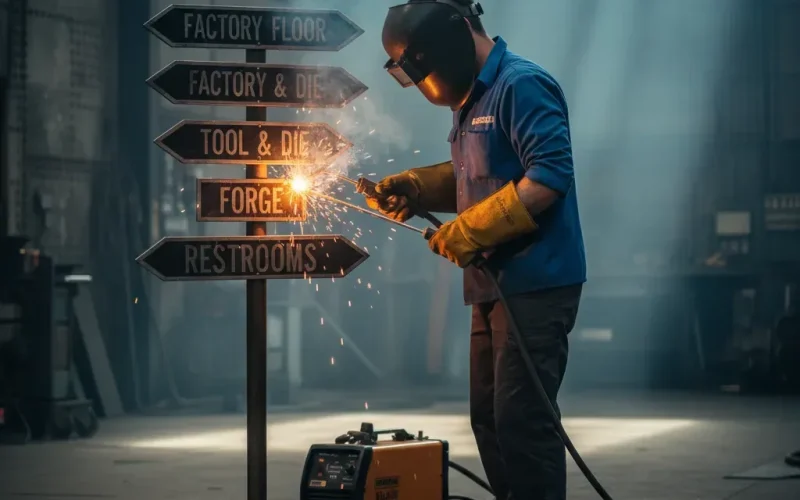
How to maintain directional signs for longer? Let’s imagine together a familiar scene: you’re driving in a new city, or looking for a specific wing in a huge hospital, or trying to find a specific department in a shopping center. What is the silent guide that directs you every time? It’s the directional signs. These plastic, metal, or wooden pieces are not just letters and colors, but they are a silent ambassador for your brand, and a beacon of safety for your visitors and customers. However, like anything else exposed to the elements and harsh use, they are prone to deterioration. Fading, rust, cracks, and even vandalism are all factors that turn a clear sign into an unclear and annoying piece.
In this comprehensive guide, we will delve into the world of maintaining directional signs, to discover together how we can transform them from just a consumable item into an investment that lasts for years. We will explore everything from choosing the right material to establishing a periodic maintenance schedule that ensures a long lifespan and a professional appearance befitting of your place. Paying attention to sign maintenance is not a luxury, but an economic and security necessity.
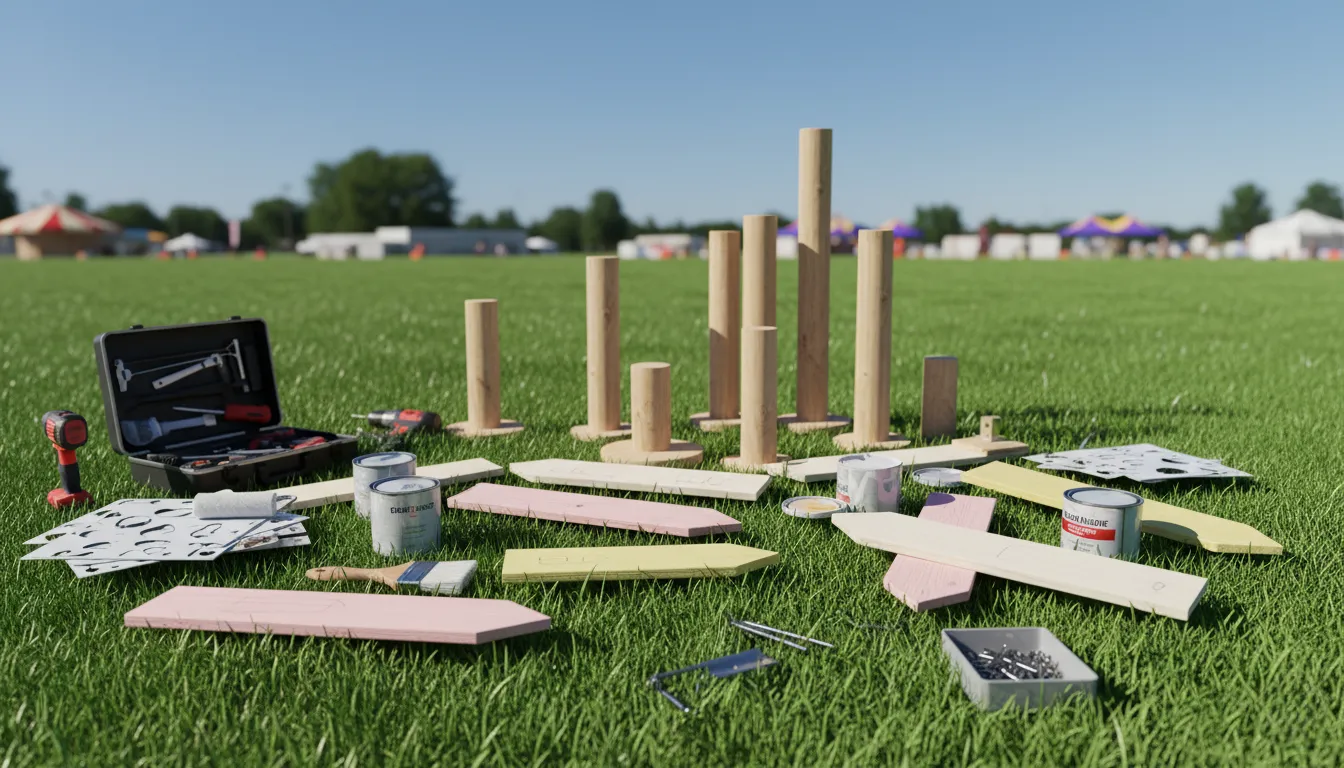
The Solid Foundation: Choosing the Right Materials from the Start
Before talking about cleaning and repair, we must realize that the first and most important step to ensure a long lifespan for your sign begins at manufacturing. The material you choose is the cornerstone upon which everything else is built. A sign made from a material unsuitable for its surrounding environment will fail even with the best sign maintenance programs.
Let’s examine the common options and see the advantages and disadvantages of each:
As you can see, choosing the right material is half the battle. If your sign will be displayed under the hot sun all day, aluminum or high-density urethane is a better choice than regular plastic. Investing in a good material from the start will save you huge amounts of money in the long run and give your directional signs the durability they deserve.

The Enemy at the Gates: Understanding Deterioration Factors
To fight the enemy, you must know it well. Directional signs face a set of daily threats that seek to reduce their lifespan and distort their appearance. Recognizing these factors is the first step toward effectively protecting your sign.
- Ultraviolet (UV) Rays: The first and primary enemy. UV rays work like a silent weapon, breaking down the chemical bonds in paint, colors, and plastics, leading to faded colors and making plastic materials brittle and breakable.
- Harsh Weather (Rain, Snow, Wind): Rain is not just water, but carries pollutants with it. Water can seep into the edges of improperly sealed signs, causing paint peeling or metal rust. Snow and ice put physical pressure, while strong winds can cause the sign to vibrate and loosen mounting screws.
- Pollution and Chemicals: In urban or industrial areas, the air is loaded with fine particles and pollutants that accumulate on the sign surface, leading to discoloration and corrosion. Also, cleaning with harsh chemicals can damage paint and colors.
- Vandalism and Physical Damage: Graffiti, scratches, and accidental impacts are real problems, especially for signs in public places. Quick response to these damages prevents them from becoming bigger problems.
- Poor Installation: A sign made of the best materials can fail quickly if not installed properly. Loose mounting, using inappropriate screws (like iron screws on an aluminum panel), or placing it in an unstable location are all factors that lead to its early damage.

The Art of Proactive Maintenance: Your Practical Guide to Ensuring Longevity
Now that we understand the basics and threats, it’s time to act. Sign maintenance is not a complex task, but a set of simple and regular habits. It’s like checking your car regularly; a little effort prevents big, costly breakdowns.
1. Regular Cleaning: The First Line of Defense Dust, dirt, and pollutants act like fine sandpaper on your sign’s surface. Regular cleaning removes these factors and maintains its shine and clarity.
- Frequency: Once a month in polluted areas, and once every 3 months in clean areas.
- Method: Use a soft cloth or sponge with warm water and a little mild detergent (like dish soap). Gently rub the sign, then rinse with clean water and dry with another soft cloth. Avoid using abrasive cleaners or rough sponges that can scratch the surface.
2. Comprehensive Inspection: Look for Problems Before They Worsen Regular visual inspection can detect small problems before they turn into disasters.
- Frequency: Twice a year, and after any severe storm or exceptional event.
- What to look for:
- Cracks or Peeling: Check the paint or protective layer.
- Rust: Look for any red or brown rust spots, especially around screws and edges.
- Fading Colors: Compare the sign’s colors with a picture of it when newly installed.
- Sign Mounting: Gently move the sign. Is it stable? Are any screws missing or loose?
- Physical Damage: Look for scratches, dents, or any signs of vandalism.
3. Advanced Protection: An Additional Layer of Defense After cleaning and inspection, your directional signs may need enhanced protection.
- UV-Protective Coatings: A transparent protective layer (Clear Coat) can be applied to metal or wooden signs every few years to renew their sun protection.
- Graffiti Treatment: If your sign is vandalized, act quickly. There are specialized cleaners to remove paint from most surfaces without damaging the original paint. The longer you leave the paint, the harder it is to remove.
Suggested Maintenance Schedule for Directional Signs
To make the process easier, you can follow this simple schedule. It ensures no step is forgotten and keeps directional signs in their best condition.
Beyond the Basics: Expert Strategies
For maximum durability, you need to think outside the traditional sign maintenance box.
- Smart Placement: When installing a new sign, think about its location. Is it possible to place it in a location that provides some natural protection? For example, under an awning or away from direct water sprinklers. This doesn’t mean hiding it, but placing it strategically.
- Invest in Professional Installation: Don’t skimp on installation. A professional company will use the right tools and materials (like stainless steel screws that don’t chemically react with aluminum), and ensure the sign is securely and levelly mounted, reducing mechanical stress on it.
- Consider Reflective Materials: If your sign will be used at night or in low-light areas, investing in reflective materials or reflective coatings not only improves safety but often these materials are more durable and weather-resistant.
The Economic Case: Why Maintenance is an Investment, Not a Cost?
Some might view sign maintenance as an additional cost. But the correct perspective is to see it as an investment with significant returns.
- Saving Replacement Costs: The cost of replacing an entire sign (material, manufacturing, installation) can be substantial. The cost of a simple annual maintenance program is negligible compared to the cost of replacement every few years.
- Protecting Your Brand Image: A faded and damaged sign gives a negative impression of your business. It suggests neglect and lack of attention to detail. A clean and clear sign reflects professionalism and quality.
- Avoiding Legal Liability: In some cases, damage or lack of clarity of directional signs (such as danger signs or safety warnings) can lead to accidents that might expose you to legal liability. Regular maintenance is part of risk management.
Conclusion: Your Silent Ambassador Deserves Care
Ultimately, directional signs are more than just directional pieces; they are an integral part of the customer and visitor experience, and a direct reflection of your identity and quality level. Taking care of them is not just a matter of aesthetics, but a smart strategy that ensures longevity, saves money, enhances safety, and protects your reputation.
By choosing the right materials, understanding the surrounding threats, and applying a simple and regular maintenance program, you can ensure that these silent ambassadors effectively and elegantly deliver their message for years to come. Always remember, a little daily care makes a big difference in the future.