 العربية


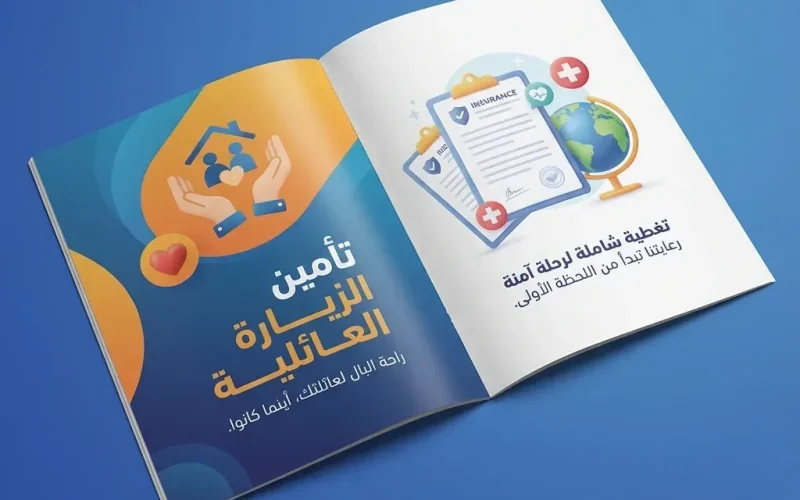
In today’s Arab markets, it is not enough to offer a strong product or an excellent service; you also need a concise marketing asset that introduces you quickly and translates your brand’s “personality” into a convincing visual form. This is where brochure design comes in as a practical tool that combines the marketing message with the visual impression, acting as a clear bridge between what you offer and what the customer understands in seconds. But the biggest challenge is not “beauty” alone—it is making the brochure consistent with the visual identity: colors, typography, style, and brand tone, so the brochure feels like a natural extension of everything the customer sees about you on your website, social media, and at points of sale.
When a brochure is aligned with the visual identity, it does not only provide information; it reinforces trust and shortens the decision-making journey. Customers pick up visual cues quickly: Is this entity professional? Does it look organized? Are the details consistent? These questions are answered silently through design. Therefore, any successful brochure design starts with understanding the identity before arranging elements or choosing images.
Why is alignment with the visual identity important?
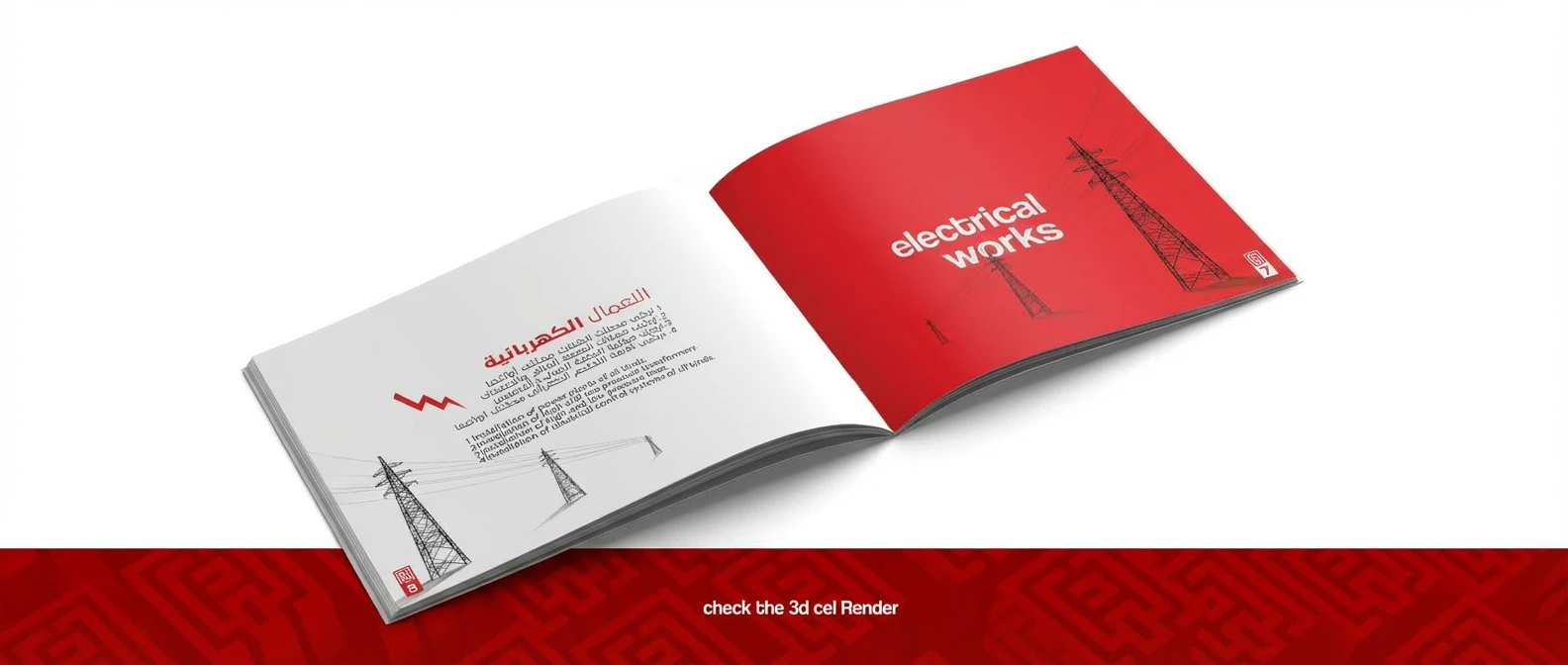
Alignment with the visual identity means the brochure uses the same brand system: the color palette, typefaces, icon styles, photo style, the rhythm of white space, and even the way headlines are phrased. The direct results are usually:
- Improved brand recall.
- Increased trust, because consistency signals professionalism and stability.
- Less cognitive friction for the customer, enabling faster understanding of the offer.
- Supporting other marketing campaigns instead of letting the brochure work in isolation.
Therefore, if the goal is to turn the brochure into a “silent sales representative,” it must carry the same brand personality that the customer experiences everywhere else.
Visual-identity elements that must appear inside the brochure
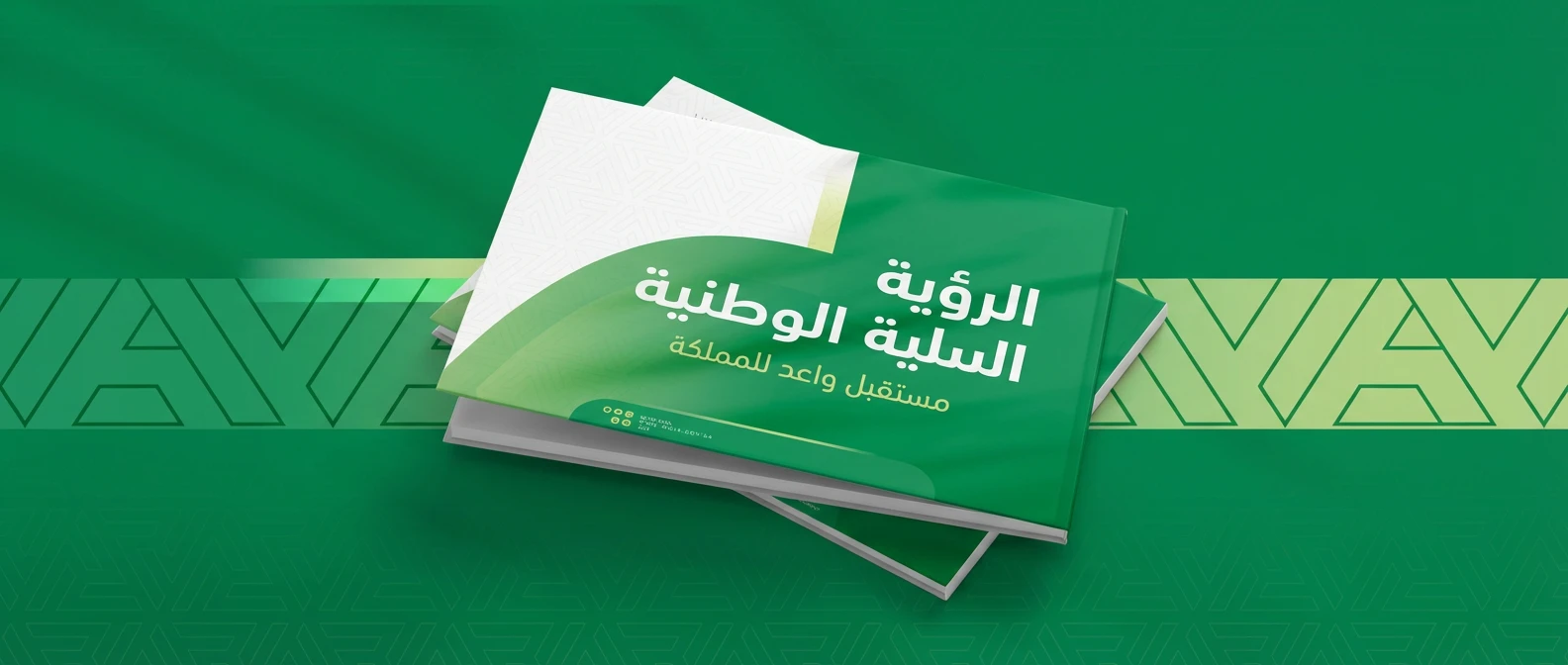
You do not need to place the entire brand guidelines on the page, but the core elements must appear correctly:
- Logo: placement, clear space, and approved versions (full color/monochrome).
- Colors: primary and secondary colors, and usage ratios across sections.
- Typography: one typeface for headlines and another for body text (if applicable), with clear sizing.
- Photo/illustration style: realistic, illustrative, flat icons, etc.
- Copy tone: formal, friendly, technical, premium—depending on the brand.
- Layout approach: a consistent grid, margins, and white space.
If any of these elements deviates from the identity, the customer will feel the brochure is “not from the same brand,” even if the content is excellent.
A table linking the visual identity to its brochure implementation
| Identity element | What should be unified? | Practical application inside the brochure | A common mistake to avoid |
|---|---|---|---|
| Logo | Size/placement/clear space | Place it on the cover top area or at the bottom of the last page with a consistent margin | Oversizing the logo or placing it over busy photos |
| Colors | Palette and usage ratios | Headlines in the primary color, light backgrounds using the secondary color | Using “nice” colors that are outside the brand palette |
| Typography | Family/weights/sizes | Clear main headline + comfortable body text for readability | Mixing many fonts or using a font that does not support Arabic well |
| Icons | Consistent style (Outline/Fill) | Unified icons for feature and service bullets | Icons from different sources with conflicting styles |
| Images | Consistent editing and filters | Photos with similar lighting and color tone | Random photos with varying quality and styles |
| Copy style | Same tone of voice | Short sentences with a clear promise | Long, fluffy text without value points |
How do you build brochure content that respects the identity and drives conversion?
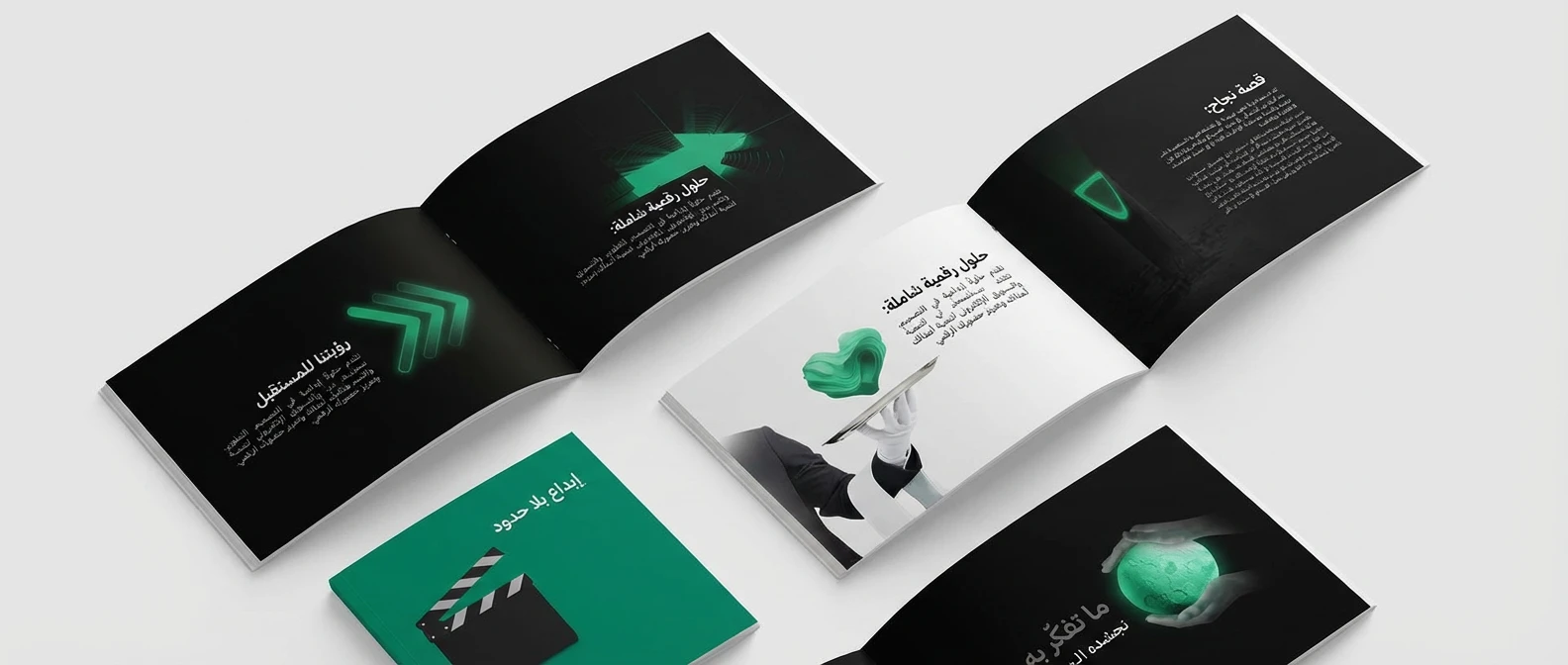
A visual identity does not succeed on its own without smart content. The content must be concise and functional, focusing on: the problem, the solution, the proof, then the action. A professional brochure design distributes text so it supports quick scanning rather than reading a long article. Therefore:
- Make headlines communicate value, not just descriptions.
- Use clear bullet points instead of long paragraphs.
- Add brief proof: numbers, results, testimonials, or expertise.
- Close with a clear call to action (CTA) and precise contact channels.
Suggested brochure structure by objective (table)
| Brochure goal | Best page count | First page content | Middle pages | Last page |
|---|---|---|---|---|
| Company introduction | 2–4 | Brand promise + what you offer | Services/solutions + differentiators | Contacts + clear CTA |
| Promoting a specific service | 1–2 | The problem + a brief solution | Benefits + packages or steps | Booking/WhatsApp/website |
| Single product | 1–2 | Photo/value headline + key benefit | Specs + use cases | Price/offer/purchase |
| Exhibition/event | 2–4 | Event identity + objective | Agenda/themes/highlights | Registration/location/QR |
Checklist before approving the brochure design
To ensure consistency and print/distribution readiness, here is a practical checklist:
- Align colors with the brand palette using clear usage ratios.
- Unify typography (usually do not exceed two typefaces).
- Commit to the grid, margins, and internal spacing.
- Use high-quality images with a consistent style.
- Write clear, scan-friendly headlines.
- Use one primary CTA (do not distract the customer).
- Verify accurate and up-to-date contact details.
It is important to treat brochure design as part of the brand system—not as a standalone design.
How can a brochure support SEO “indirectly”?
Although SEO is tied to digital content, a brochure can support SEO in a smart way through:
- Including a dedicated landing page link instead of a generic homepage link.
- Using a QR code that leads to a page with the same title as the brochure.
- Embedding the service name and target keywords on the linked digital page.
- Keeping service naming consistent in the brochure and on the website.
This way, the brochure becomes part of the customer journey: they start offline and move online without a break in the message or identity.
Common mistakes that reduce brochure professionalism even if the design looks nice
- Color conflicts: shades that do not belong to the brand identity.
- Information overload: trying to say everything in a small space.
- Poor flow: the customer does not know what to read first.
- Weak images: they instantly reduce perceived brand value.
- Unclear CTA: no obvious “next step.”
- Inconsistent tone: a premium design with overly casual copy (or the opposite).
Any successful brochure design avoids these pitfalls and prioritizes the reading experience.
Elements the final version should include
- A main value headline that explains “why you?”
- 3–6 clear benefit points.
- At least one trust proof (achievement, number, certification, partnership, experience).
- A short brand introduction (two to four lines).
- Contact methods + QR + website/WhatsApp.
- Enough white space for visual comfort.