 العربية


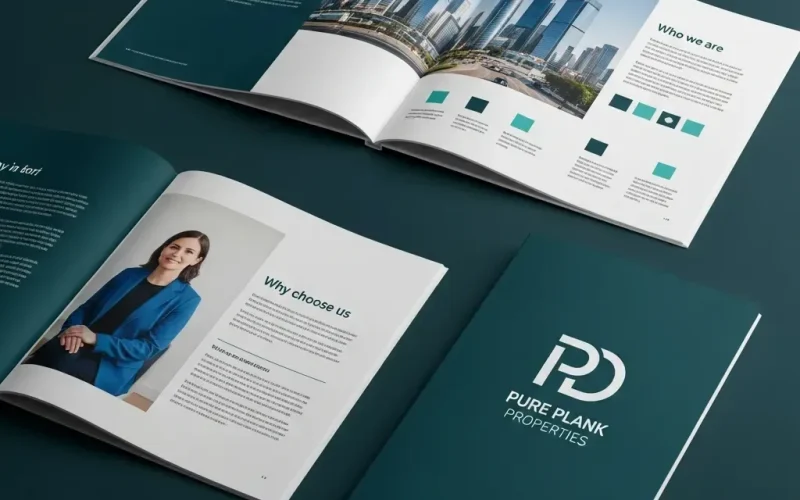
In today’s business and marketing world, where companies compete fiercely to capture public attention, traditional print materials, led by brochures, remain a powerful and indispensable tool. A brochure is not just printed paper; it is a silent ambassador for your brand, carrying your message and presenting your products or services in an organized and attractive way. Understanding the available types of brochures and their correct uses is the key to achieving the maximum return on your marketing campaigns.
In this comprehensive article, we will review the five most common and effective types of brochures, detailing the ideal uses of a brochure for each type, to ensure you choose the most suitable one for your goals.
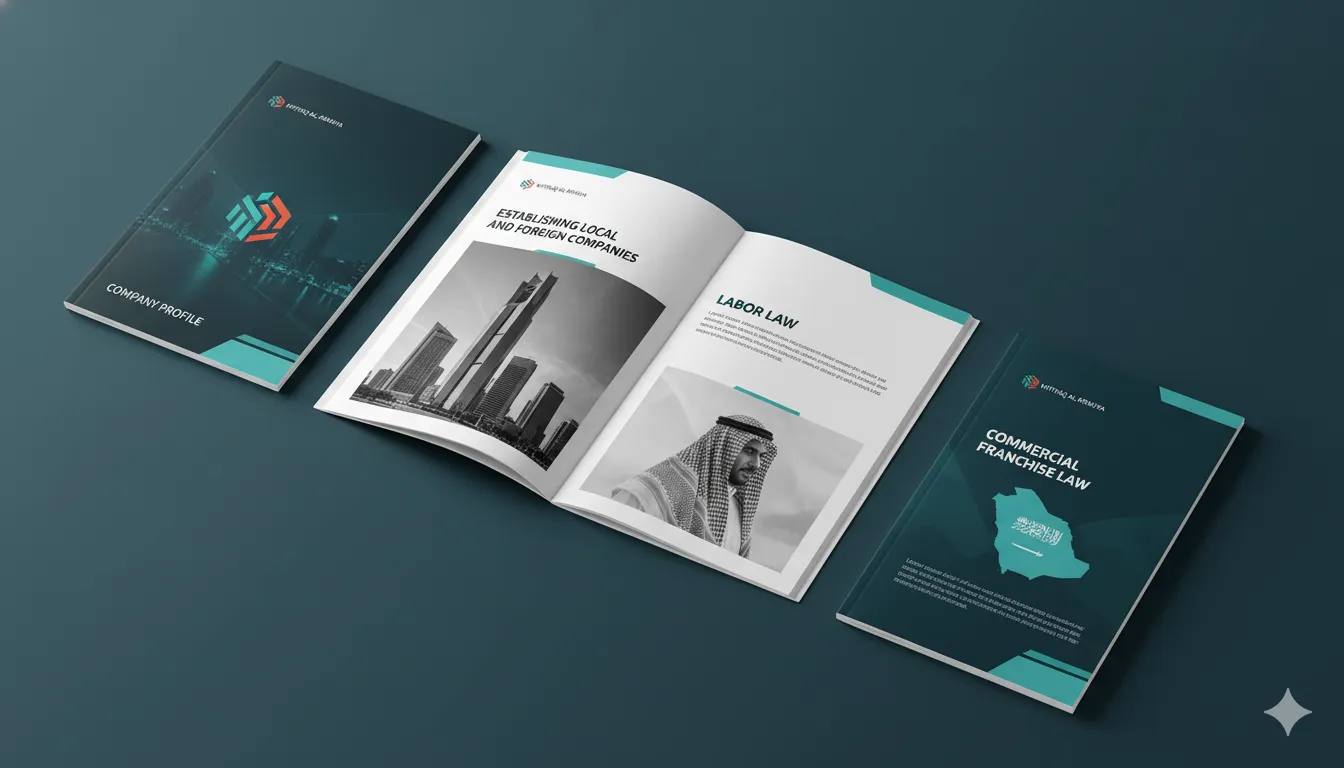
Types of Brochures in Marketing Strategy
Importance of Understanding Types of Brochures in Marketing Strategy
Before diving into the details, it must be emphasized that choosing the right brochure format correlates directly with the nature of the message you want to convey and the target audience. What works for presenting a detailed price list may not be the most suitable for showcasing an inspiring success story. Understanding the types of brochures gives you greater flexibility in design and distribution.
The printed brochure possesses the advantage of physical presence, which enhances trust and allows the recipient to interact with it away from digital distractions. For this purpose to be served effectively, its type must be appropriate for the specific uses of the brochure.

The Five Basic Types of Brochures and Their Uses
The Five Basic Types of Brochures and Their Uses
Brochure shapes vary based on the number of folds and content, which determines the complexity of information they can accommodate. Here is a detailed presentation of the five most prominent types of brochures.
1. Leaflet/Flyer (Single Sheet Brochure)
This type is the simplest and most common, consisting of a single unfolded sheet (it can be single-sided or double-sided).
| Main Advantage | Optimal Use |
|---|---|
| Simplicity and Low Cost | Quick advertisements, mass distribution, limited-time offers, local announcements. |
| Distribution | Easy and fast, preferred for distribution in crowded places or posting on notice boards. |
| Content | Very concise, focusing on the “Call to Action” and essential contact information. |
The uses of the brochure here are directed towards wide reach and initial awareness of the service or product.
2. Half-Fold Brochure
It is produced by folding a single rectangular sheet in the middle, resulting in a small book-like structure with four pages (two numbered sides).
| Main Advantage | Optimal Use |
|---|---|
| Good Information Organization | Presenting an integrated product range, an introductory company guide, a simplified instruction manual. |
| Appearance | More professional than a leaflet, provides enough space to explain key points. |
| Distribution | Reception desks, sent with official correspondence, placed inside conference bags. |
This form of types of brochures balances reasonable cost with the ability to display more in-depth content.
3. Tri-Fold Brochure
This is the most common among marketing types of brochures. The sheet is folded into three equal sections, resulting in six faces (three front, three back) that can be cleverly utilized.
| Main Advantage | Optimal Use |
|---|---|
| Storytelling Flow | Ideal for presenting sequential work steps, or presenting three main services separately. |
| Visual Appeal | The front page serves as an attractive cover, and the large inner spread is used for a comprehensive display. |
| Distribution | Trade shows, direct mail, and handing to potential clients. |
The Tri-Fold is considered a distinguished brochure because it offers significant space at a reasonable cost, and is a standard option for general and promotional uses of the brochure.
4. Z-Fold/Accordion Fold Brochure
This type is folded in the shape of a “Z” or resembles an accordion, where the folds alternate outwards and inwards.
| Main Advantage | Optimal Use |
|---|---|
| Continuous Visual Sequence | Displaying timelines, maps, process flowcharts, or a new product roadmap. |
| Interactive Experience | Arouses the reader’s curiosity to fully unfold it to see the sequence. |
| Content | Very effective for visually presenting a large amount of interconnected data. |
This type of types of brochures focuses on user experience and visual flow.
5. Gate Fold & Multi-Page Brochure (Booklet)
This category includes brochures with complex folds (like the “Gate Fold” which opens from the center), in addition to booklets stapled together (Saddle-Stitched Booklets).
| Main Advantage | Optimal Use |
|---|---|
| Depth and Detail | Complete product catalogs, annual reports, comprehensive multi-service guides. |
| Luxurious Appeal | The Gate Fold, in particular, provides an impression of luxury and attention to detail. |
| Distribution | Preferably delivered to clients who have shown serious interest and require detailed information before making a purchasing decision. |
This group represents the types of brochures targeting clients in advanced decision-making stages.
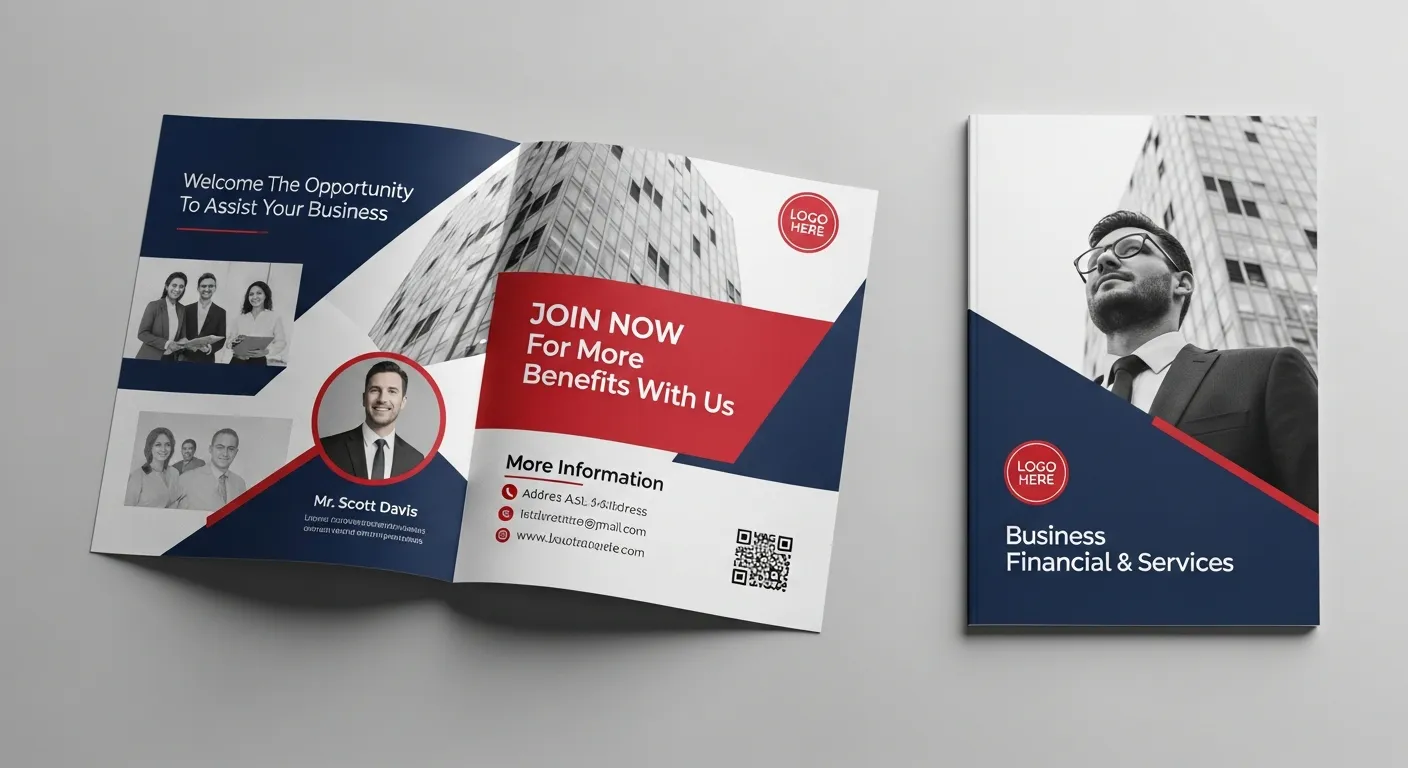
Comprehensive Comparison of Brochure Types
Comprehensive Comparison Table of Brochure Types
For a better understanding of how to choose a distinguished brochure, here is a table comparing the five most important types of brochures based on marketing criteria:
| No. | Brochure Type | Approximate Page Count | Suitable Detail Level | Estimated Cost | Best for Brochure Uses |
|---|---|---|---|---|---|
| 1 | Leaflet (Flyer) | 2-4 pages | Low (Single message) | Very Low | Awareness campaigns and rapid reach |
| 2 | Half-Fold | 4 pages | Medium | Low | Presenting limited product sets |
| 3 | Tri-Fold | 6 pages | Medium to High | Medium | General introduction of the company and main services |
| 4 | Z-Fold (Accordion) | 6-8 pages | High (Requires sequence) | Medium to High | Displaying maps and sequential steps |
| 5 | Booklet/Gate Fold | 8+ pages | Very High and Comprehensive | High | Comprehensive catalogs and detailed reports |
Improving Brochure Performance: Beyond Types of Brochures
Choosing the right type is only the first step. To ensure the brochure is effective and compliant with SEO standards (in terms of content and layout that mimics good digital organization), the following must be considered:
1. Content Quality and Information Structure
Even the best types of brochures will fail if the content is weak. The text must be clear, concise, and focused on solving the customer’s problem. Think of the brochure as a printed “landing page”; it must lead the reader to a clear next step.
2. Design That Serves the Goal
Good design guides the reader’s eye through the different sections of the brochure. In a brochure with a tri-fold, the cover must be attractive enough to encourage opening the rest of the parts. Choosing a distinguished brochure means considering how the user will interact with it visually.
3. Printing Materials and Finishing Touches
The type of paper, the finish (such as glossy or matte), and professional binding or folding processes all contribute to leaving a lasting impression. This part is crucial in uses of the brochure aimed at showcasing high quality for the brand.