 العربية



In an era dominated by digital screens and complex online marketing campaigns, some might think that traditional marketing tools like billboards have lost their luster. But the truth is the opposite is correct. These giant interfaces still retain their power and immense impact, but with one condition: that they are handled with intelligence and creativity that keeps pace with the times. It’s no longer just about placing a logo and a headline, but has become an art that requires thinking outside the box to achieve maximum benefit and improve the business.
This article is not about how to design an attractive billboard, but about how to transform it from a mere static piece of advertising into a dynamic, interactive marketing tool that directly contributes to the growth of your business. Together, we will explore five innovative uses that will redefine your relationship with this ancient advertising medium.
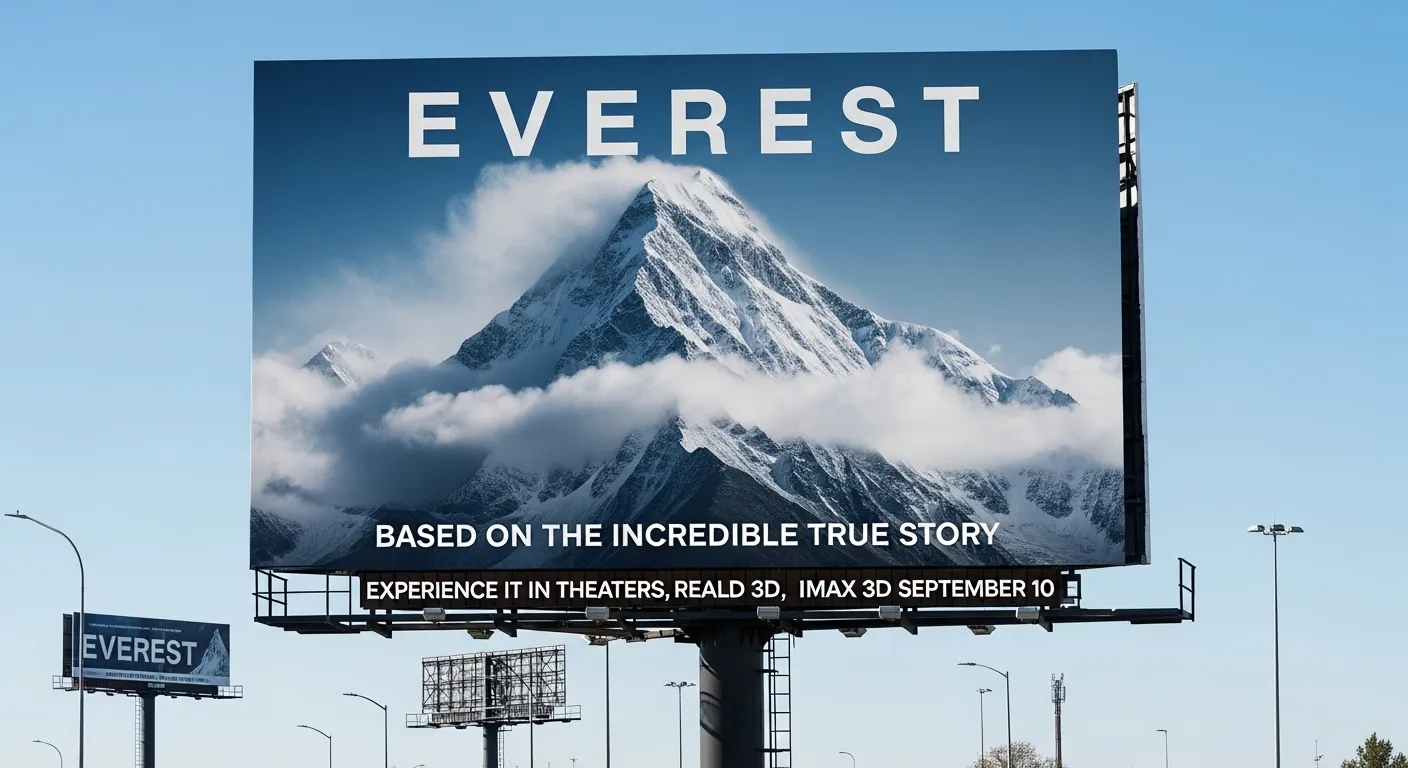
1. Digital Interaction: Transforming Static Billboards into Interactive Gateways
One of the biggest challenges facing traditional advertising is measuring interaction and engagement. How do you know if someone has seen your ad and interacted with it? This is where digital innovation comes in to bridge this gap. Instead of your billboard being the end point of the message, make it the starting point for an interactive journey with the customer.
How is this done?
- QR Codes: This is the easiest and most effective way. Place a prominent QR code on your design, and direct it to a value-added destination. Don’t just make it go to your homepage. Instead, direct it to:
- An exclusive landing page for the ad campaign, with a special offer or exclusive discount.
- An introductory video for your product or service.
- A contest or prize draw.
- An augmented reality (AR) experience that allows the user to imagine your product in their own environment via their phone’s camera.
- Hashtags: Encourage viewers to take a picture with the billboard and post it on social media using a specific hashtag. This not only generates user-generated content (UGC) but also turns every participant into an ambassador for your brand.
- NFC Technology (Near Field Communication): For modern smartphones, NFC technology can allow users to tap their phones on the billboard (if equipped with near-field communication technology) to instantly access digital content.
This method transforms the passive viewer into an active participant and provides you with valuable data on the success of your campaign, which directly contributes to improving the business and making more accurate future marketing decisions.
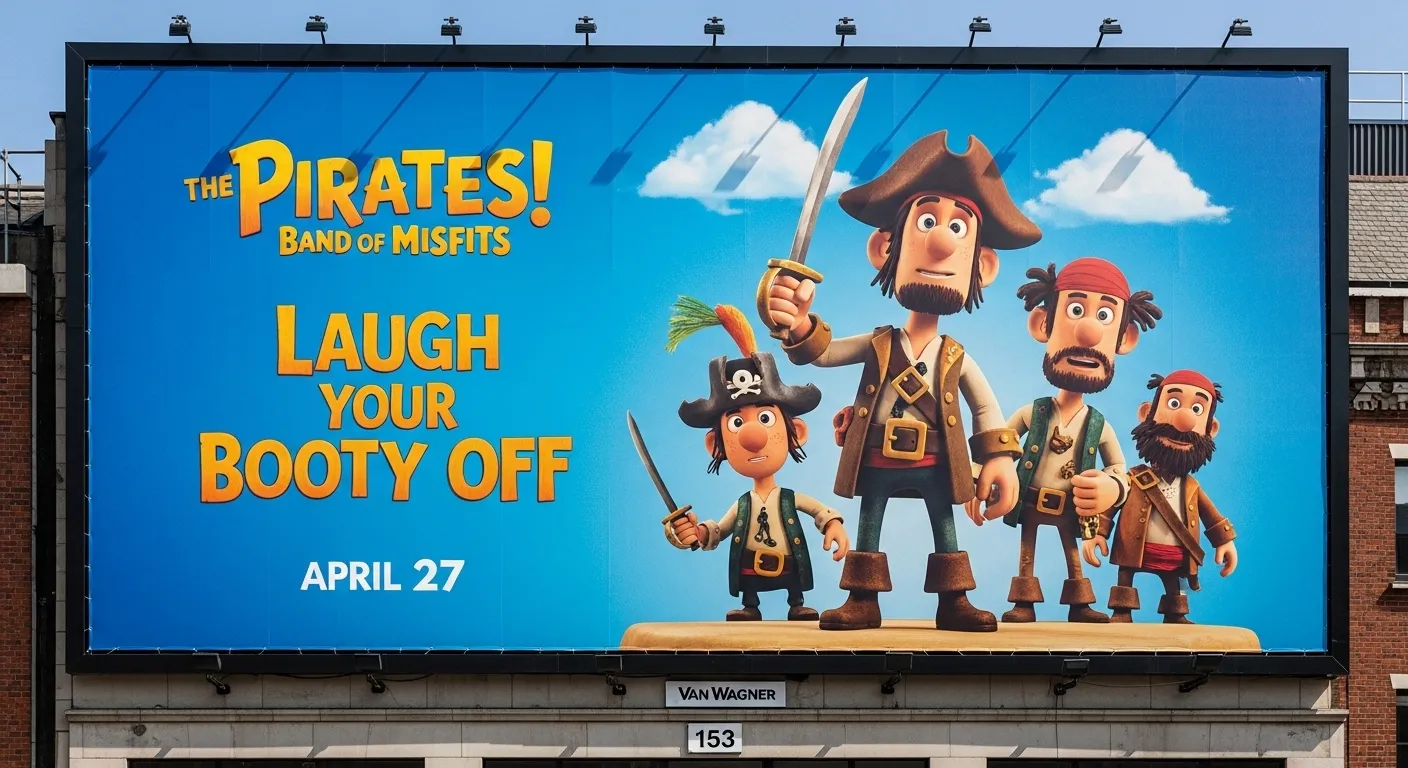
2. Data-Driven Personalization: A Dynamic Message for a Changing Audience
Imagine a billboard that changes its message based on the time of day, the weather, or even traffic. Thanks to digital billboards, this is no longer science fiction, but a reality that can give your brand a huge competitive advantage. This is one of the most powerful innovative uses that makes your message more relevant and smarter.
Practical examples of personalization:
- By Weather: A coffee shop can display an ad for a “hot drink for the cold day” when the temperature is low, and “refreshing juices to beat the heat” when it rises.
- By Time: A restaurant displays breakfast in the morning, lunch at noon, and dinner offers in the evening.
- By Location: If your billboard is on a road leading to an airport, you can display a message like “Traveling? Book your parking in advance and save time.”
- By Events: During a local football match, a potato chip company can display a message cheering on the local team.
This approach not only grabs attention but also creates a sense that the brand understands and responds to the customer’s environment in real time, which enhances loyalty and contributes to improving the business by increasing conversion rates.
3. Hyper-Local Targeting: Speaking Directly to Your Community
Broad advertising often aims to speak to everyone, which can lead to not effectively speaking to anyone. Turn this concept on its head by intensely focusing on the community immediately surrounding the billboard. Make your message so personal and local that residents feel it was designed specifically for them.
Hyper-local targeting strategies:
- Using the local dialect or common terms: If you are in an area known for a specific dialect or terms, use them in your ad copy.
- Referencing local landmarks: “After the intersection next to Palm Park, you’ll find the best coffee in town.” This connects your brand to the daily environment of residents.
- Celebrating local achievements: “Congratulations to the North High School team for winning the championship! We are proud of you.”
- Solving a local problem: Is there a known traffic jam in the area? A delivery service could advertise: “Beat the King Fahd Road traffic, let us deliver your lunch.”
When people see an ad that reflects their reality and culture, they tend to form a stronger emotional connection with the brand. This strategy proves that you are not just a company, but you are part of the fabric of the community, which is a solid foundation for improving the business in the long run.
4. Sequential Storytelling: Building Hype and Suspense Along the Way
Why settle for one story on one billboard when you can tell a whole story? The idea of sequential storytelling relies on using a series of billboards along one road to tell a progressive story, creating a dramatic effect and igniting viewers’ curiosity.
How do you apply this idea?
- Choose a route: Identify a highway or main street that your target audience passes regularly.
- Design a series: Divide your story into 3 or 4 or even 5 parts. Each part goes on a consecutive billboard.
- Keep it simple: Each visual and text message should be short and easy to understand, as viewers will only see it for a few seconds.
- End with a bang: The last billboard should be the reveal of the product, brand, or offer, with a clear call to action.
Example: A campaign for a new car.
- Billboard 1: A picture of a car key with the text: “The Start.”
- Billboard 2: A picture of a sports steering wheel with the text: “The Control.”
- Billboard 3: A picture of an engine with the text: “The Power.”
- Billboard 4: A full picture of the car with the brand logo and the text: “The Destination.”
This method transforms the viewer’s daily boring journey into an enjoyable and unforgettable marketing experience, leaving a much deeper impression than a single ad.
5. Integration with Comprehensive Marketing Campaigns: Making the Billboard Part of Your Grand Strategy
Billboards should not work in a vacuum. To achieve maximum impact, they should be a key link in the chain of your integrated marketing campaigns across different channels (Online and Offline). Each channel should support the other to create a cohesive and powerful marketing message.
Ways to integrate effectively:
- Support digital campaigns: Use the billboard to promote your social media campaign. For example, “Follow us on Instagram (@yourbrand) and participate in our grand contest.” This connects the physical world with the digital world.
- Promote events: If you are organizing an event or conference, billboards in strategic locations can be a powerful tool to increase awareness and attract attendees.
- Unify the message: Ensure that the design, colors, and message used on the billboard are consistent with what is on your website, email campaigns, and paid ads. This builds a strong visual identity and enhances brand recognition.
- Measure impact: Use unique links (UTM parameters) in QR codes or dedicated website addresses that appear on the billboards to track the number of visitors who came from this specific source. This gives you accurate data on return on investment (ROI).
When billboards are strategically integrated with your other marketing efforts, they transform from a mere advertising expense into a strategic investment that multiplies the impact of all your other marketing channels.
Comparison Table: Traditional Approach vs. Innovative Approach to Billboards
To clarify the difference further, here is a table showing the shift from traditional thinking to innovative thinking in using billboards:
Conclusion: The Future of Billboards is in Your Hands
In the end, billboards are no longer just wooden or metal panels displaying an advertisement silently. They have evolved to become powerful platforms capable of interacting, adapting, storytelling, and integrating with our digital world. The key to success today is not to abandon this traditional tool, but to rethink how to use it.
By adopting these innovative uses, you can transform your investment in outdoor advertising from a mere expense into a powerful engine for growth. It is a call for you to be creative, to understand your audience deeply, and to use technology to create unforgettable experiences. The latent power in billboards is still there, perhaps even greater than ever before, and it is now up to you to use it wisely for improving your business and cementing your position in the market.