 العربية


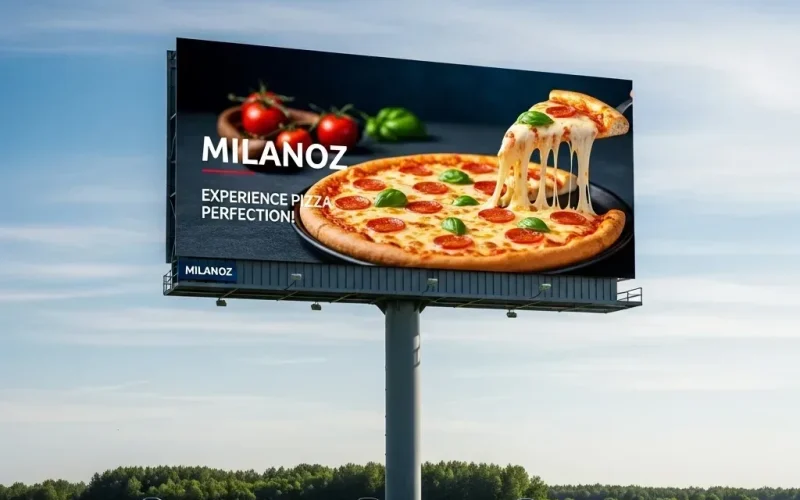
The Comprehensive Guide to Choosing the Perfect Advertising Billboard for Your Business. Imagine you’re driving on a busy road, or walking down a quiet commercial street. What catches your attention more than anything else? More often than not, your answer would be “an attractive advertising billboard.” In an era where the pace of life accelerates and digital screens compete for our attention, the physical advertising billboard remains a powerful and effective element for communicating with your audience. It’s not just a piece of wood or metal with colors; it’s your silent salesperson, working 24/7, and it’s the facade of your brand that tells its story in a matter of seconds.
But how do you ensure your billboard isn’t just another piece of the general scenery? How do you make it the tool that brings in customers and enhances your brand? The answer lies in making the right choice. Choosing the wrong advertising billboard can be a waste of money and effort, while the perfect advertising billboard can be an investment that returns profits beyond your expectations. This guide is your roadmap to making that crucial decision and selecting the perfect advertising billboard that suits your business and achieves your goals.
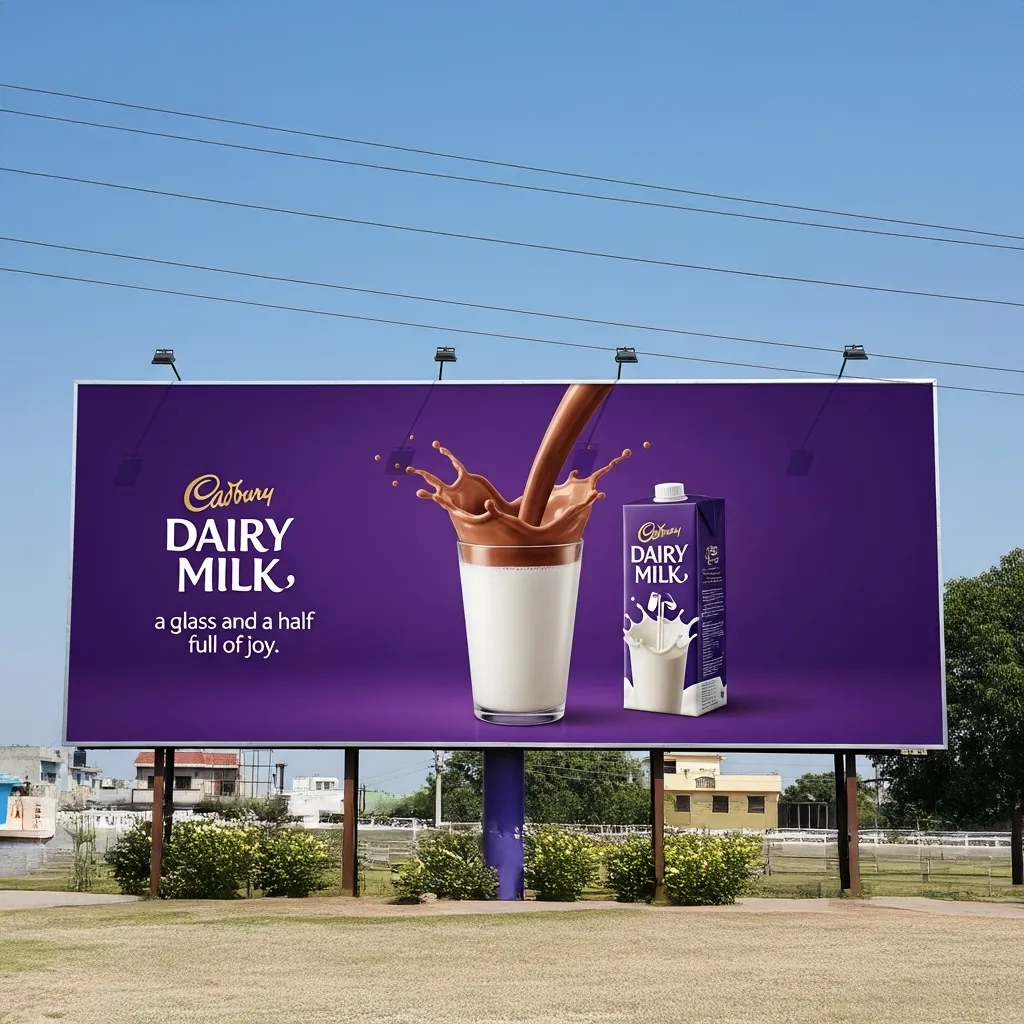
Why is the Perfect Advertising Billboard a Priceless Investment?
Before diving into the technical details, let’s agree on one thing: an advertising billboard is not an expense; it’s a long-term marketing investment. Think of it as an asset that adds value to your brand. Here are some key benefits:
- Targeted Reach: It allows you to precisely target a specific geographic audience. Whether it’s in a specific residential area or on a busy highway, you reach directly the people in that area.
- Repetition and Awareness Building: Seeing your billboard daily plants your brand name in the minds of the public, building trust and awareness over the long term.
- Strong Visual Impact: A large, intelligently designed billboard cannot be ignored, creating a strong and lasting first impression.
- Cost-Effective Per Impression (CPM): Compared to digital or television ads, the cost of reaching a thousand people through billboards is often much lower.
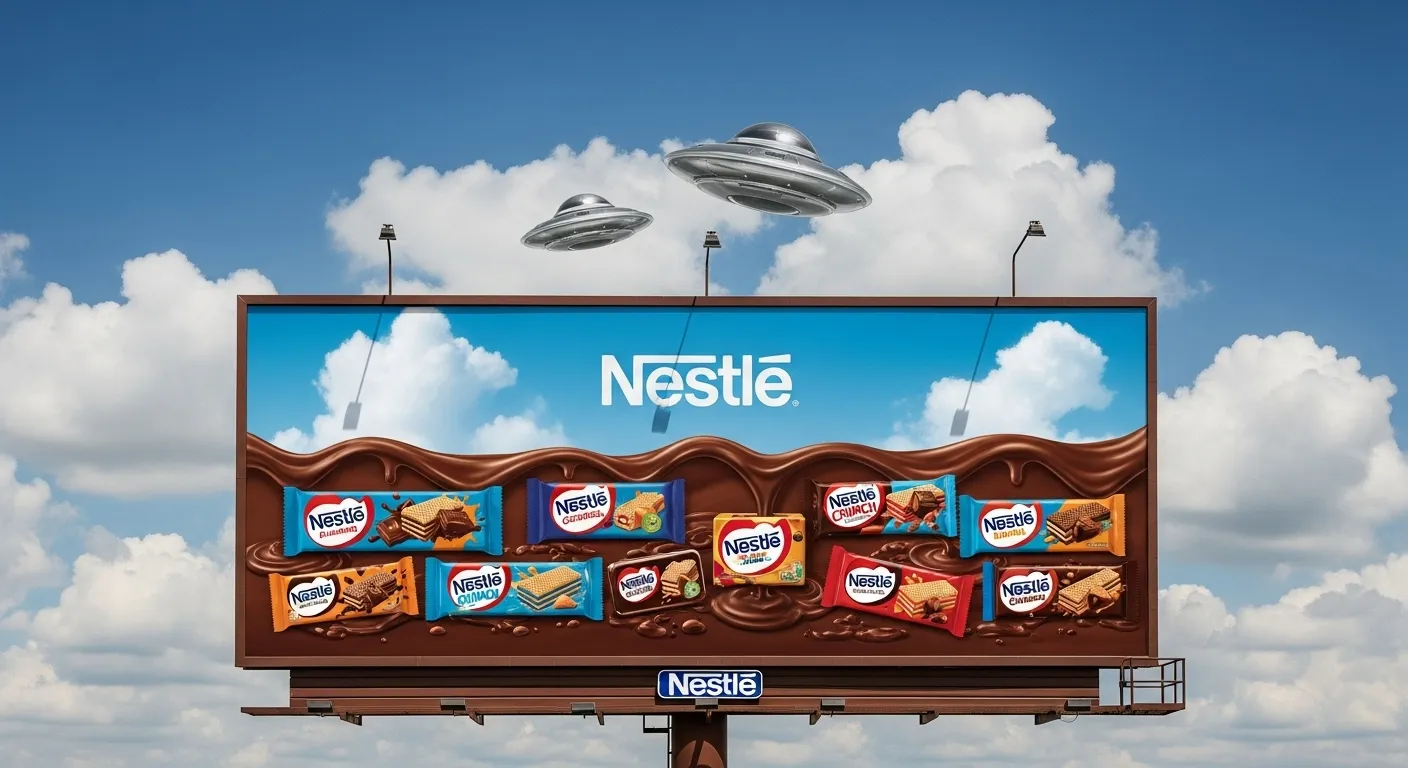
Before You Begin: The Essential Questions to Ask Yourself
Jumping directly into choosing the type and material of the billboard is a common mistake. The real first step is to answer these strategic questions. Answering them is halfway to achieving the perfect advertising billboard.
-
What is your primary goal?
- Increase brand awareness? (A large billboard displaying your name and logo prominently).
- Direct customers to your location? (A billboard on the main road with a clear arrow and address).
- Promote a specific product or offer? (A temporary billboard focusing on a discount or event).
- Enhance status and professionalism? (An integrated sign in front of your company headquarters that reflects quality and luxury).
-
Who is your target audience? Who are you trying to reach? Are they local residents, families on their way to the shopping center, or business people in a commercial area? Understanding your audience will determine the billboard’s location, language, and design.
-
What is your budget? Be realistic. The budget should not only include the manufacturing cost but also design, installation, and future maintenance. Determining your budget in advance will help you narrow down your options quickly.
-
Where will the billboard be installed? Location is everything. Will it be installed on a building facade, on a pole by the roadside, or will it be an indoor sign? Each location has its own requirements and challenges that affect the size, material, and design.
Types of Advertising Billboards: A Comprehensive Comparison to Choose the Best for You
To choose the perfect advertising billboard, you must understand the fundamental differences between each type. Each type has its pros and cons, and your choice depends on your goals, budget, and location.
Materials are King: How to Choose the Right Material for the Perfect Advertising Billboard?
After determining the type, the next step is choosing the material. The material you choose is the cornerstone of the perfect advertising billboard, as it determines its durability, appearance, and long-term cost.
Eye-Catching Design: Elements of the Perfect Advertising Billboard
Now that we’ve covered strategy and materials, it’s time for creativity. The design of the perfect advertising billboard balances creativity with clarity. Remember that most people will see it for only a few seconds while driving or walking. Here are the basic principles:
- Simplicity is Intelligence: Don’t try to fill the billboard with all the information. One clear and powerful message is better than ten scattered messages.
- The Power of Color and Contrast: Use colors that contrast strongly to be readable from a distance. (e.g., white on black, yellow on black, blue on white).
- Clear and Readable Font: Stay away from complex or ornate fonts. Choose a simple, bold, and easy-to-read font quickly.
- One Strong Image: If you’re going to use an image, make it a single, high-quality image directly related to your message.
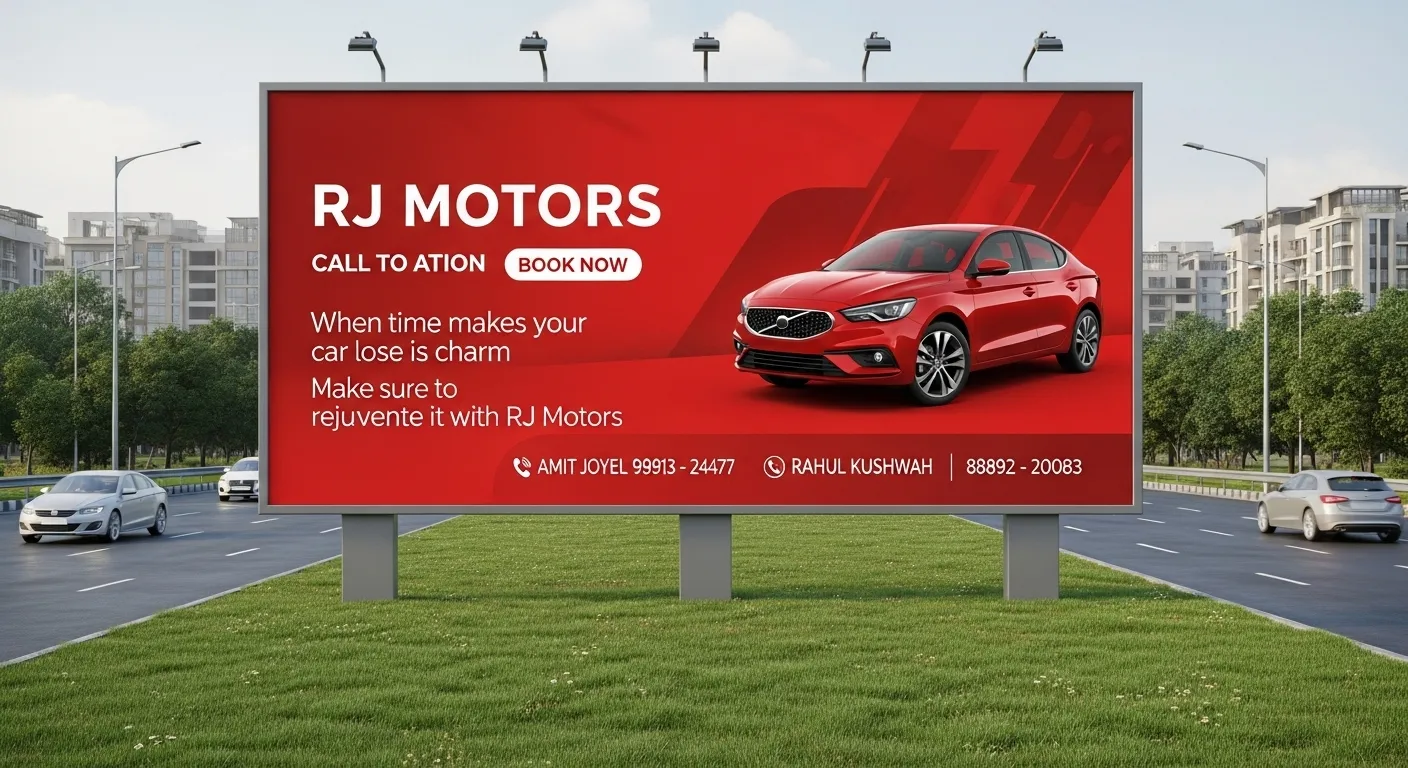
- Branding and Call to Action (CTA): Your logo should be present but not dominant. If the goal is to direct people, make the address, phone number, or website clear and simple.
Practical Steps for Ordering and Implementing Your Billboard
The first step towards getting the perfect advertising billboard is finding the right implementation partner. Follow these steps to ensure a smooth process:
- Search for a Reputable Company: Look for printing and advertising companies with a proven track record and past work you can see. Read reviews and check out other customers’ opinions.
- Request a Detailed Quote: Don’t settle for one price. Request quotes from at least 3 companies, and ensure the quote details the costs of materials, design, printing, installation, and any additional fees.
- Approve the Design and Materials: Before manufacturing begins, you must get a final digital mockup and approve it in writing. Make sure every detail is correct.
- Follow-up and Installation: Stay in touch with the company during the manufacturing process. During installation, ensure a professional team is doing the work according to correct safety and visual standards.
- Regular Maintenance: Even the best billboards need some care. Clean them regularly and ensure they are in good condition.
Common Mistakes to Avoid When Choosing Your Billboard
To ensure your investment doesn’t go to waste, avoid these common mistakes:
- Neglecting the Location: Choosing a poor location can ruin the best design and material.
- Cluttered Design: Too much text and images make the billboard ineffective.
- Choosing the Wrong Material to Save Money: Using a cheap material in a place that requires high durability will cost you more in the long run due to replacement or repair.
- Forgetting Maintenance: A dirty or damaged billboard gives a negative impression of your brand.
- Avoiding these mistakes ensures you don’t waste your investment on a billboard that is less than the perfect advertising billboard.
Conclusion: A Gateway to Success
Choosing an advertising billboard is not just a marketing decision; it is a direct investment in the future of your business. It’s a powerful tool that connects you with your audience in the real world, transforming an empty space into a golden opportunity for communication and growth.
By understanding your goals, knowing your audience, and choosing the right type and material, and designing a clear and attractive message, you are not just buying a sign. You are building a visual landmark for your brand. Now, you are ready to choose the perfect advertising billboard that will tell your brand’s story to the world and attract the right customers to your door.