 العربية


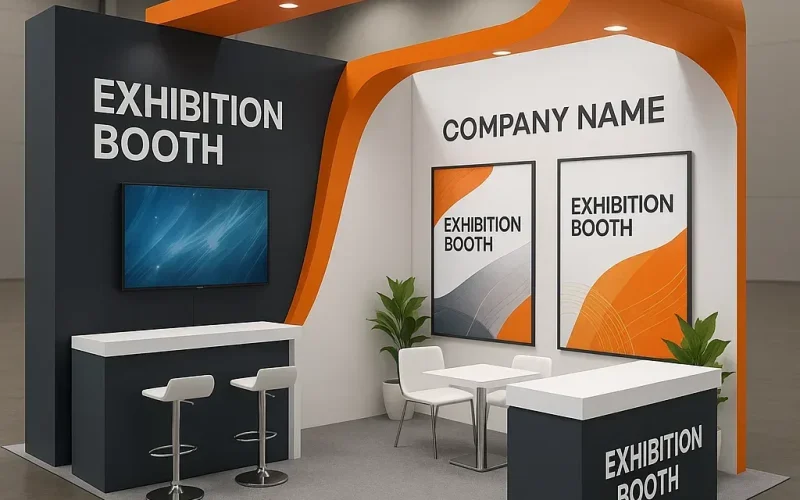
What is Exhibition Stand Design? The Comprehensive Guide to Transforming Your Space into an Attraction
In today’s highly competitive business world, participating in trade shows and conferences is no longer just about attendance; it’s a strategic opportunity to leave a lasting impression, build strong relationships, and achieve tangible marketing and sales goals. This is where a pivotal and fundamental role emerges: the art and science of exhibition stand design. But, what is exhibition stand design? Simply put, it is the process of planning, designing, and creating a temporary display space (a stand or booth) within an exhibition or trade event, with the aim of showcasing a company’s products or services and engaging with the target audience in an effective and appealing way.
It is a discipline that blends architecture, interior design, marketing, and human behavioral psychology. It’s not just about placing a table and some banners; it’s about building an integrated visitor experience that tells your brand’s story and embodies its values and vision in a tangible, physical space. A professionally designed stand is your silent ambassador, speaking the language of colors, lighting, and form, attracting visitors and converting them from mere passersby into potential customers.

The Importance of Exhibition Stand Design: Why It’s an Investment, Not Just a Cost
Some may question the feasibility of investing significant amounts in designing a temporary space. The answer lies in the return on investment (ROI) that can be achieved. The stand is the first interface a potential client sees of your brand in the crowded exhibition environment.
- First Impressions Last: You have only a few seconds to capture a visitor’s attention. A distinctive and innovative stand design is your first hook. A positive initial impression opens the door to a fruitful conversation and a potential business opportunity.
- Expressing Brand Identity: The stand is a physical embodiment of your company’s identity. The colors, materials used, and overall design are all elements that contribute to conveying your brand’s message and values. Are you an innovative tech company? Or a luxurious, classic brand? Your stand design must clearly reflect that.
- Increasing Brand Awareness: In a sea of competitors, a unique stand makes your brand unforgettable. Visitors remember stands with innovative designs and creative ideas, cementing your name in their minds long after the exhibition ends.
- Attracting Qualified Leads: A good design doesn’t just attract any visitor; it attracts the right one. When your design clearly expresses your field of work and products, it acts as a natural filter, drawing in individuals genuinely interested in what you offer.
- Achieving Business Goals: Whether your goal is to launch a new product, collect data from potential customers, or close deals directly, the stand design can be specifically built to facilitate these objectives by providing suitable display areas, private meeting zones, or interactive points for data collection.
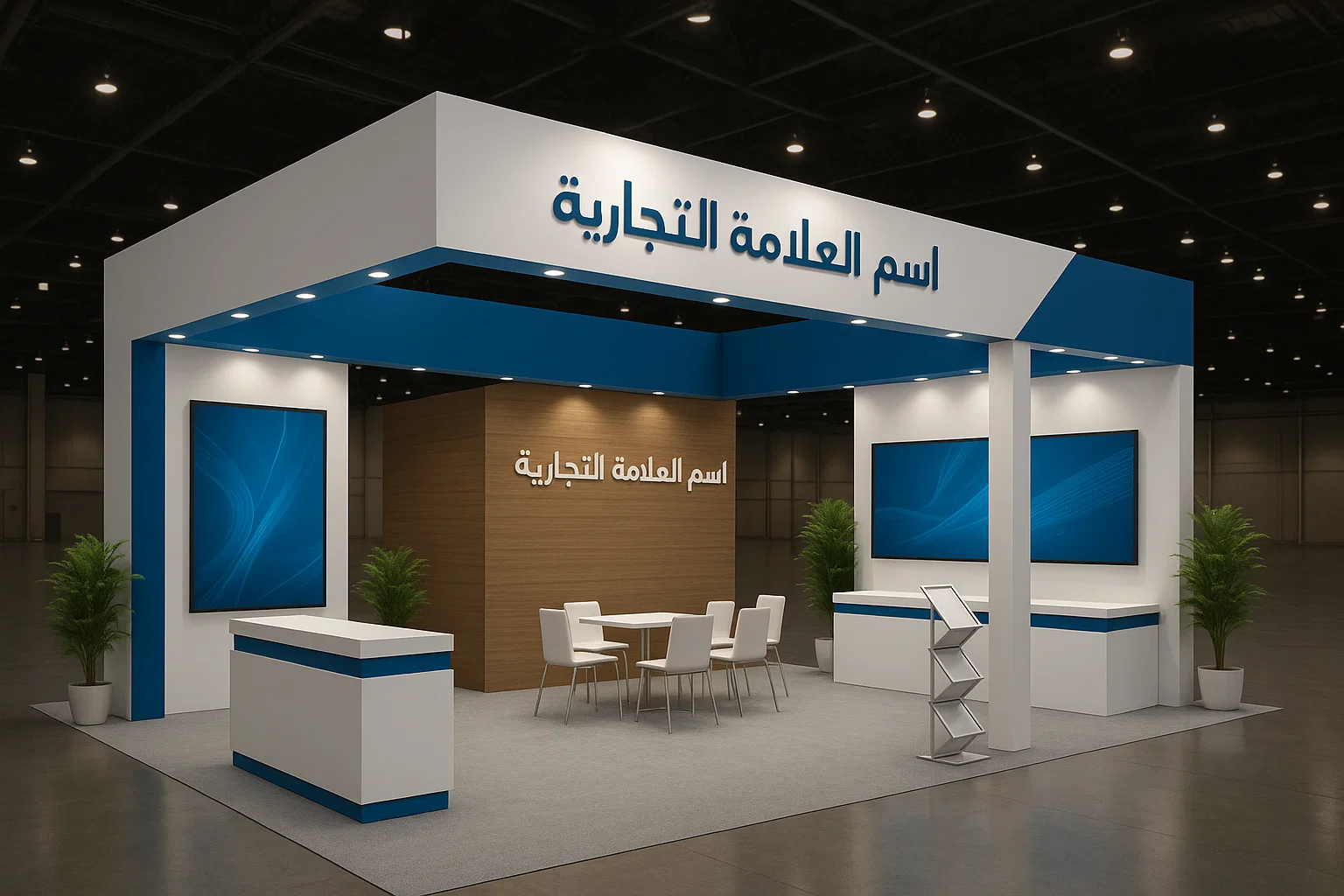
Key Elements for Understanding Successful Exhibition Stand Design
For a deeper understanding of what exhibition stand design is, we must delve into the fundamental elements that constitute any successful design. These elements work together in harmony to create an integrated and impactful visitor experience.
- Layout and Space: This is the skeleton of the design. It should guide visitor flow smoothly within the stand, with clear zones for each activity: a reception area, product display areas, a meeting zone, and storage space. The design should be open and inviting, encouraging visitors to enter and explore rather than creating barriers.
- Graphics & Branding: This includes logos, images, texts, and marketing messages. Graphics must be high-quality, clear, and concise. Prominent use of the company logo and consistent application of brand colors enhance identity and make the stand instantly recognizable.
- Lighting: A powerful tool that can change the entire mood of the stand. Lighting can be used to highlight key products, create specific atmospheres (like warm and welcoming, or modern and futuristic), and make the stand pop from neighboring ones.
- Technology & Interactivity: Integrating touch screens, virtual reality (VR) experiences, and interactive games can transform your stand from a static display into an unforgettable immersive experience. These elements encourage visitors to spend more time and interact deeply with your brand.
- Furniture & Materials: Choosing the right furniture and high-quality materials reflects your company’s professionalism and attention to detail. Furniture should be comfortable and functional, and the materials used should align with the brand’s identity.
Comparison Table: Choosing Materials in Exhibition Stand Design

Types of Exhibition Stands: Choose What Suits Your Goals and Budget
An important part of answering the question “what is exhibition stand design?” is recognizing the different types of stands available, as each type varies in its location, size, and cost.
- Linear Booth: This is the most common type, open on one side only (the front aisle), with neighbors on both sides and in the back. It is the least expensive option and suitable for companies with limited budgets.
- Corner Booth: Located at the corner of an aisle and open on two sides. It offers better visibility and higher foot traffic than a linear booth, making it a very attractive option.
- Peninsula Booth: Open on three sides, and usually consists of two adjacent linear booths. It provides a strong presence and excellent visibility from multiple angles.
- Island Booth: This is the most premium and costly type. It is open on all four sides, giving the designer complete creative freedom and making it a focal point on the exhibition floor.
The Process of Designing and Building an Exhibition Stand
Creating a professional exhibition stand involves several organized stages to ensure the best results. Understanding these stages is essential for anyone asking “what is exhibition stand design?” and how it is executed.
- Phase One: Briefing & Planning:
- Defining Objectives: What do you want to achieve from participating? (e.g., collect 100 potential leads, achieve sales worth X, launch a new product).
- Setting the Budget: You must be realistic about costs, which include (space rental, design, construction, transport, installation, technology, marketing).
- Understanding the Audience: Who are the visitors you are targeting? What are their interests and pain points?
- Analyzing Competitors: Take a look at what your competitors have done in previous exhibitions.
- Phase Two: Conceptual & 3D Design:
- The design team translates your goals and ideas into an initial concept.
- This concept is then developed into a 3D render, which gives you a realistic visualization of the final stand from all angles, including lighting distribution, materials, and graphics. At this stage, you can request necessary adjustments.
- Phase Three: Production & Fabrication:
- After final approval of the design, the workshop begins to build and manufacture all components of the stand according to precise specifications.
- Phase Four: Logistics & Installation:
- All stand components are shipped to the exhibition site.
- A specialized team installs and assembles the stand in your designated space, ensuring everything works perfectly, from lighting to interactive screens.
- Phase Five: Dismantling & Storage:
- After the exhibition ends, the same team carefully dismantles the stand, packs it, and ships it for storage until the next event.
Table: Estimated Budget Allocation for an Exhibition Stand Project
Conclusion: Exhibition Stand Design is Your Investment in the Future
In conclusion, the answer to the question “what is exhibition stand design?” goes beyond merely building a temporary structure. It is a strategic art aimed at creating a unique experience and building a bridge of effective communication between your brand and your audience. It is a smart investment in your company’s image, and in its ability to attract attention, generate interest, and achieve tangible results in a competitive environment.