 العربية


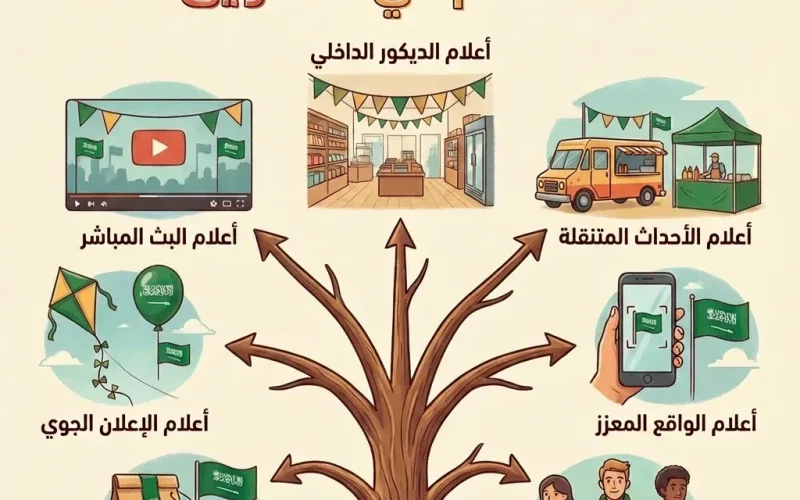
In a world teeming with digital noise and sponsored ads that appear and vanish in fractions of a second, tangible visual marketing retains its glamour and hidden power. You might think traditional tools are obsolete, but the truth is that the human eye is innately drawn to motion and bright colors in physical reality. This is where advertising flags come in—not merely as “pieces of cloth,” but as dynamic tools creating live interaction with passersby and customers.
The use of flags in your marketing strategy doesn’t just mean putting your logo on a pole; it is the art of exploiting space, motion, and height to attract attention and guide purchasing behavior. In this comprehensive article, we will dive into seven innovative ideas that will transform this simple tool into a customer magnet, supported by data and analytics to ensure maximum return on investment.
1. Smart Street Wars: Flags as a Pedestrian Guiding Tool (Guerrilla Marketing)
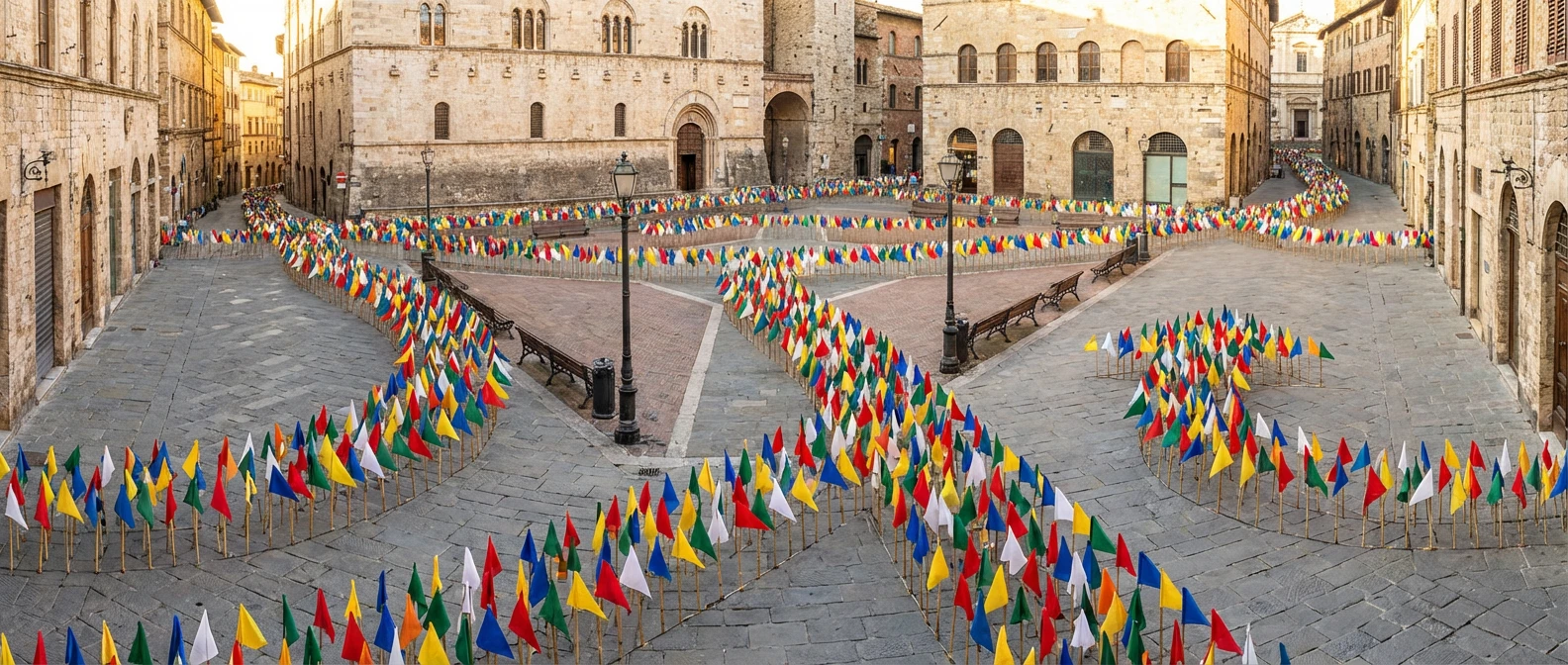
The first idea relies on rebelling slightly against the ordinary. Instead of placing the flag directly in front of your store’s door, think about the “customer journey.” Feather Flags are characterized by their lightness and ability to move with the slightest breeze, making them ideal for breaking visual stagnation in crowded streets.
The strategy here lies in placing a series of flags starting from a distance of 50 or 100 meters from your location, containing sequential messages that spark curiosity. For example, the first flag poses a question, the second offers a hint, and the third, right in front of your door, provides the solution. This tactic transforms the use of flags from a mere static sign into a storyteller of a short narrative that drives the customer to walk towards your store to discover the ending.
Why does this method work?
Because it exploits “human curiosity.” People tend to complete patterns, and seeing a sequence of flags creates a subconscious visual path that the mind wants to follow.
2. Dominance in Trade Shows: Playing on Heights

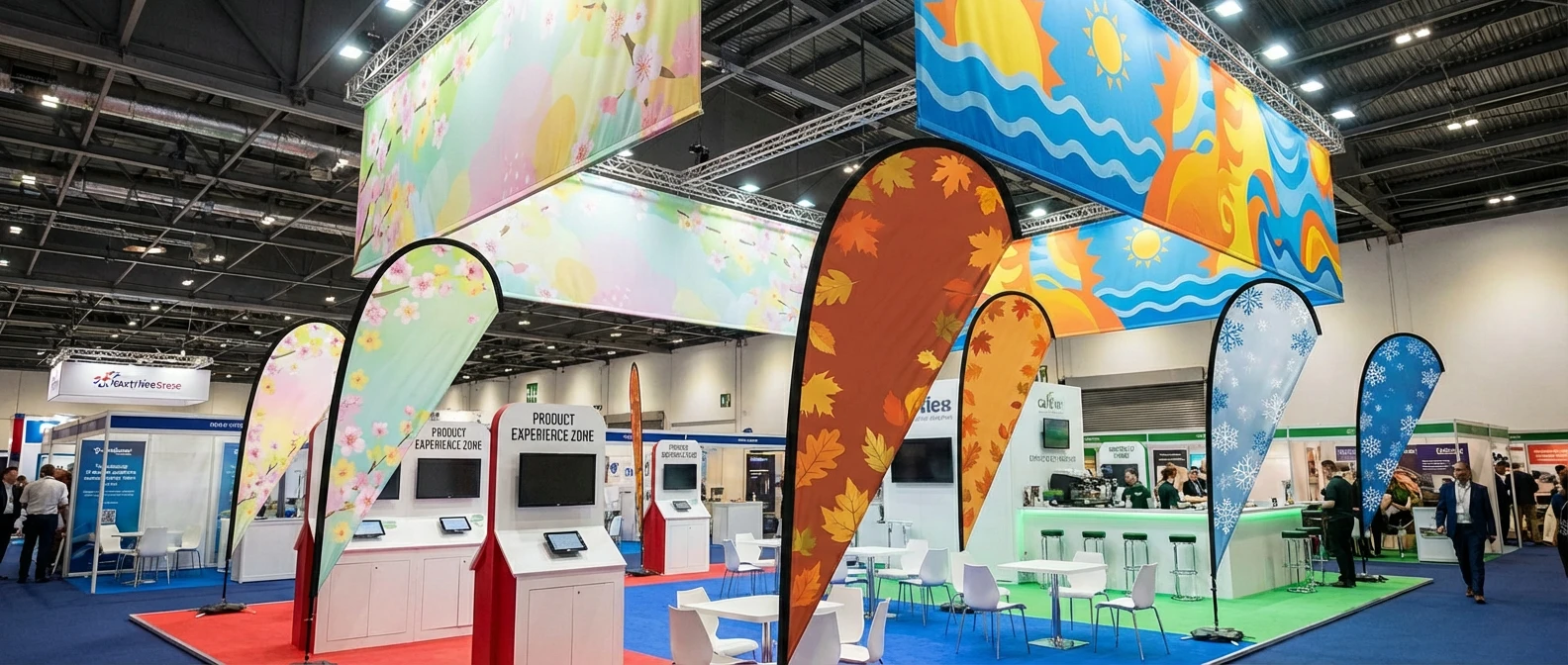
In exhibitions and conferences, horizontal space is very expensive and limited, but vertical space is usually free and underutilized. This is where the marketer’s intelligence shines in exploiting height.
Using “Teardrop Flags” or flags suspended from the ceiling can make your booth visible from anywhere in the hall. The innovative idea here isn’t just raising the logo, but using flags to define “zones” within your pavilion (product experience zone, consultation zone, hospitality zone) using different colors for each flag.
Table 1: Comparison of Flag Types and Effectiveness in Exhibitions
| Flag Type | Key Feature | Best Use | Wind Resistance Level (For Outdoor Shows) |
| Feather Flag | Large vertical advertising space | Displaying logos and service lists | High |
| Teardrop Flag | Always taut (text readable without wind) | Circular logos and indoor exhibitions | Very High |
| Rectangular Flag | Massive space for information | Detailed messages and images | Medium |
3. Seasonal Changing Flags: Creating a State of Constant Renewal
One of the biggest mistakes business owners make is leaving the same flag up for a full year until its color fades and it becomes part of the background noise the brain ignores. Innovation lies in dynamism.
The concept of a “Flag Marketing Calendar” means changing the design and message of flags based on seasons, holidays, or even days of the week. Imagine a restaurant changing its flags at 11 AM to announce “Lunch,” and at 5 PM to announce “Dinner.” This simple change re-alerts passersby’s brains that something new is happening here. Diversifying the use of flags in this way sends a subconscious message that the place is vital, renewed, and active.
4. Marketing via “Mini Tourist Attractions” (Photo Opportunity)
In the age of Instagram and TikTok, people are constantly looking for attractive backgrounds to take photos. You can transform a group of colorful flags with artistic designs (not just commercial logos) into a “photo spot.”
Create an aisle of crossed flags or a backdrop wall of moving flags. When people take photos of themselves amidst these flags and post them, you get free marketing and high credibility. The trick here is to make the brand part of the artistic aesthetic, not an intruder upon it.
Pro Tip: Add a specific “hashtag” for your campaign at the bottom of the flag to encourage digital sharing, thereby merging physical reality with the digital world.
5. Portable Flags: Mobile Human Marketing
Who said flags have to be fixed to the ground? The fifth idea focuses on “Backpack Flags.” These are small flags attached to a backpack worn by the marketing team while wandering through events, open markets, or even on beaches.
This method turns the employee into a moving beacon rising above the heads of the crowd. It is a very effective tactic for distributing free samples or flyers. Instead of people looking for you, you go to them, and the flag ensures they see your representative from a distance before they even arrive, reducing the intimidation of “a stranger approaching” because their identity is already known thanks to the flag.
This method is a live example of the use of flags to break psychological barriers between the marketer and the potential customer in crowded places.
6. Psychology of Colors and Motion in Flags
Flags are not just text; they are moving blocks of color. The idea here relies on using flags to evoke specific emotions rather than just displaying the company name. The constant motion of the flag attracts the eye (human survival instinct notices movement), and the color defines the feeling.
-
Red: For emergencies, urgent sales, food.
-
Blue: For trust, medical services, technology.
-
Yellow: For energy, optimism, quick attention-grabbing.
When designing your flags, leave empty space allowing the fabric to ripple, because reading isn’t the only goal—”grabbing attention” is.
Table 2: The Effect of Colors and Flag Motion on Customer Decisions
| Color | Psychological Effect | Ideal Movement Type | Implicit Message |
| Orange | Enthusiasm and Friendliness | Fast motion (light fabric) | “We are open and fun, come on in” |
| Black/Gold | Luxury and Mystery | Slow motion (heavy fabric) | “High quality, exclusivity, stability” |
| Green | Relaxation and Nature | Medium fluid motion | “Healthy products, safe environment” |
The table above shows how the precision of material and color selection plays a pivotal role in the use of flags to influence the customer’s subconscious before they even read a single word.
7. Using Flags to Define Geographic Areas for Events (Real-Life Geofencing)
In large outdoor events, such as festivals or open markets, flags can be used to create a “visual fence” defining your area. Instead of ugly metal barriers, use a row of adjacent flags to create a sense of containment and privacy for your customers.
This doesn’t just define your space, but creates a “world” specific to your brand once the line of flags is crossed. Inside, the customer feels they are your guest. This technique is very effective for real estate companies (marking land location) or car dealerships (marking the showroom lot).
Strategies to Improve Return on Investment (ROI) from Flags
For our article to be comprehensive, we must speak the language of numbers. Flags are a low-cost marketing medium compared to huge billboards, but their return can be massive if measured and directed correctly.
To ensure the successful use of flags in your campaign, you must follow a measurement methodology. You can place a huge QR Code on the flag, or a special discount code (e.g., FLAG20) known only to those who saw the flag.
Common Mistakes to Avoid
-
Text Crowding: The flag must be readable in less than 3 seconds.
-
Choosing a Windless Location: For traditional flags, wind is the engine. If the location is enclosed, use rotating arm systems to keep the flag unfurled.
-
Neglecting Maintenance: A torn flag sends a very negative message about the quality of your services.
Why is Repetition the Key to Success?
In marketing psychology, there is a rule called the “Rule of Seven,” which states that a customer needs to see a message 7 times to take action. Flags allow you this repetition at a negligible cost. A row of 5 flags achieves 5 visual impressions in a single moment.
It is essential to note that professionalism in the use of flags requires choosing high-quality printing materials (such as 110g Polyester) to ensure colors do not fade under sunlight, thereby maintaining the brand image.
Conclusion
In conclusion, flags are not just supplementary tools, but powerful marketing assets combining flexibility, low cost, and high visual impact. Whether you are a small shop owner or a marketing manager for a major corporation, integrating these tools into your plan can make a tangible difference in customer traffic.
Remember that the key is not in the tool itself, but in how it is employed. Innovation in the use of flags through the seven ideas we have presented—from street wars to color psychology—will give you a clear competitive advantage. Start today by experimenting with one of these ideas, and watch how eyes begin to turn towards your brand with every gust of breeze.
Investing in the use of flags is an investment in turning air and motion into real sales opportunities, and it is a universal language understood by everyone without the need to utter a single word.