 العربية


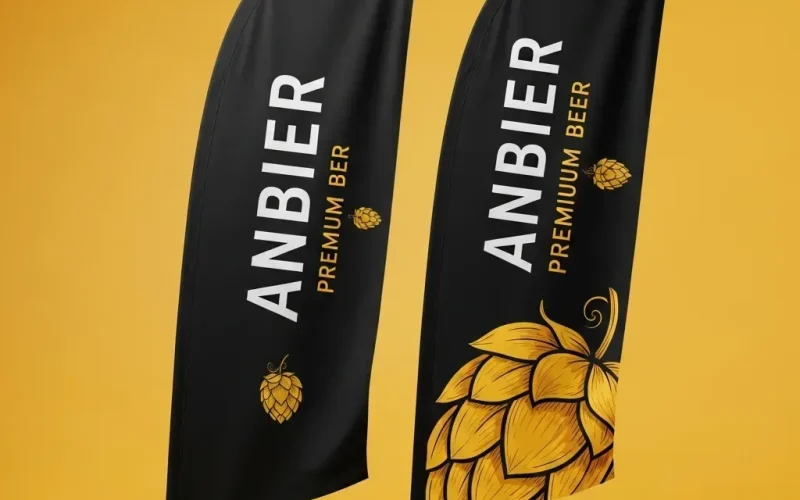
In today’s fast-paced information world, success is no longer solely dependent on the quality of a product or service, but is closely tied to how that value is presented to the audience. This is where the role of Advertising design comes in—the art of merging visual creativity with marketing strategy to craft an unforgettable message. Advertising design is the bridge connecting your brand with your customers and is the crucial element in shaping the overall perception of your company.
In this comprehensive article, exceeding 1500 words, we will delve into ten main types of Advertising designs, highlighting the various Uses of Advertising and the techniques involved in high-quality Advertising Printing, to provide you with a complete reference guide.
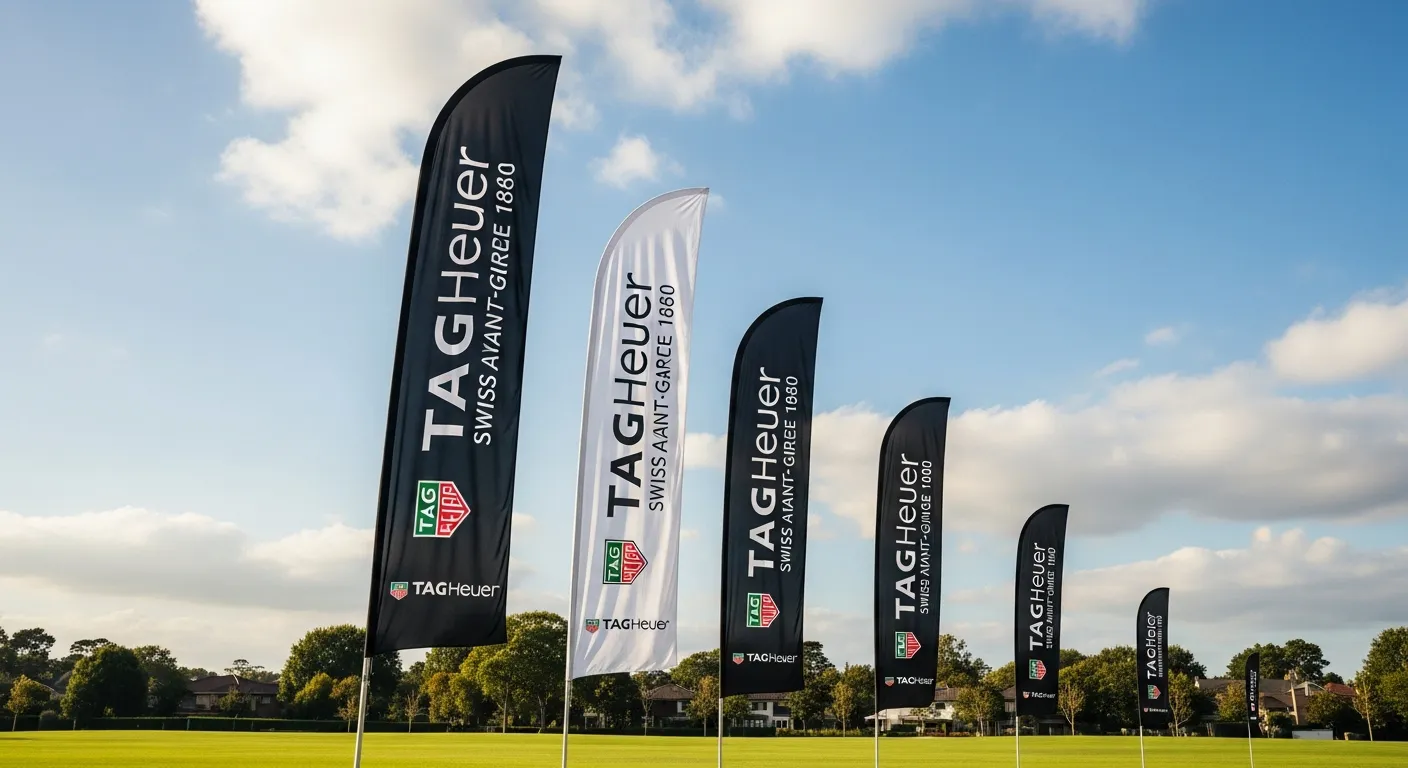
Introduction to the World of Advertising Designs: The Importance of Diversity and Specialization
There is no single design that fits all objectives. The design used for a social media campaign differs entirely from the one tailored for a massive billboard on a highway. A deep understanding of the types of Advertising designs ensures that every marketing budget achieves the maximum possible return. You can learn more about marketing effectiveness here.
Let’s begin by classifying these ten types and determining when and how to use each one.
1. Print Media Design
This is the classic and most established type in the field of Advertising. It includes everything that is physically delivered to be touched and read.
Uses of Advertising in Print Design:
- Brochures & Flyers: Ideal for presenting detailed information about a new product or a complex service.
- Business Cards: The strong, portable first impression.
- Annual Reports and Magazines: To lend a formal and professional tone that builds trust.
This type requires extreme accuracy in colors (CMYK system) and good knowledge of high-quality Advertising Printing rules, including bleed margins and image resolution (DPI).
2. Digital Out-of-Home (DOOH) Design
With technological advancement, digital screens in public places (such as metros, streets, and shopping centers) have become a very powerful Advertising tool.
Uses of Advertising in Digital Out-of-Home:
- Animated Ads: To focus attention in distracting environments.
- Instant Updates: The ability to change content based on time, weather, or current events.
- Large Screens: To significantly increase visual reach.
The design here requires an understanding of how short and impactful ads work; they often last only a few seconds.
3. Web & UX/UI Design
In the digital age, your website is your primary business interface. Web design is not just about aesthetics; it is the engineering of the user experience.
Uses of Advertising in the Digital Space:
- Responsive Design: Ensuring a consistent display across all devices.
- Landing Page Design: To achieve high conversion rates for a specific campaign.
- In-site Visual Signage: To focus visitor attention on a specific Call to Action (CTA).
4. Billboards & Signage Design
This type of Advertising focuses on messages that must be read and understood in mere seconds from a distance.
Uses of Advertising in Signage:
- Focus on a Single Message: The message must be concise and rely on bold, readable design.
- Geographical Impact: Targeting specific geographical areas near points of sale.
- Durable Advertising Printing Materials: Requiring resistance to weather elements.
5. Branding & Identity Design
Brand Identity Design is the foundation upon which all other Uses of Advertising are built. It is the visual soul of the company.
Key Design Elements for Identity:
| Element | Description | Strategic Importance |
|---|---|---|
| Logo | The concise visual representation of the brand. | Instant recall and recognition. |
| Color Palette | The set of primary and secondary colors. | Creating mood and emotional association. |
| Typography | Selection of formal fonts for correspondence. | Defining the visual tone of voice (formal, playful, modern). |
6. Social Media Graphics Design
These designs are the most consumed and shared daily, requiring a superior ability to capture attention in a crowded “feed.”
Uses of Advertising on Social Media:
- Stories: Quick and ephemeral vertical designs.
- Carousel Posts: For storytelling or explaining a step-by-step process.
- Profile Picture and Cover Photo: The first interactive impression for the user.
7. Point of Sale (POS) Design
This design aims to influence the purchasing decision at the last moment. It is a vital part of direct marketing Uses of Advertising.
Examples of POS Materials:
- Displays: 3D structures to draw attention to the product.
- Shelf Talkers: Small, direct ads placed next to the price.
- Product Packaging: The final design that carries the brand message.
8. Infographics & Data Visualization Design
When data is complex, design becomes the primary tool for simplification. This type of Advertising transforms dry numbers into compelling visual stories.
Advantages:
- Increased Comprehension: Makes complex information easier to digest than text alone.
- Shareability: Good infographics spread rapidly online.
- Authority Building: Positions your company as an expert in its field.
9. Email & Automation Design
Although established, email remains a marketing tool with a high Return on Investment (ROI). Email design must balance visual appeal with the requirements of mailing software.
Design Requirements:
- Reliance on Basic HTML: Because some email clients do not support advanced design code.
- Focus on Clickable Content (CTA): The button must be clear and distinctive.
- Optimization for Quick Scanning: Most users scan the message in a quick glance.
10. Interactive & Personalized Media Design
This represents the forefront of modern Advertising Uses, actively engaging the audience rather than just sending a one-way message.
Interactive Advertising Uses:
- 3D Experiences (AR/VR): Providing immersive product experiences.
- Customizable Ads: Changing images or texts based on previously registered user data.
- Digital Quizzes and Contests: To increase interaction and participation.
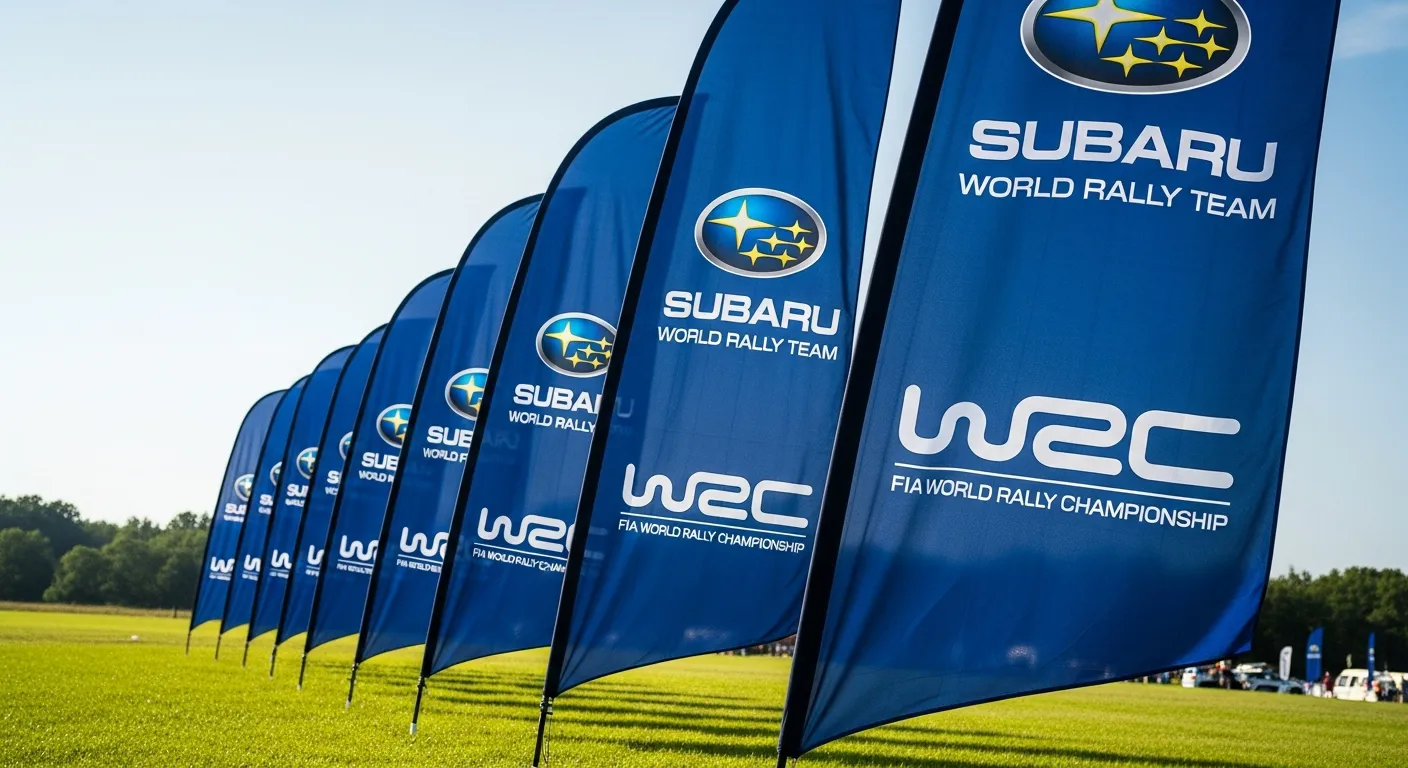
The Comparative Table of Different Advertising Printing Techniques
When dealing with printed materials, the choice of technique varies based on the material, budget, and the required level of detail. This table summarizes the key differences related to Advertising Printing:
| Printing Type | Common Use | Resolution & Color | Cost (for large runs) | Main Advantages |
|---|---|---|---|---|
| Offset | Books, magazines, large volumes. | Very high, uses CMYK system. | Relatively low | Consistent color quality and high uniformity. |
| Digital | Custom brochures, small volumes. | Very good, sometimes supports special colors. | Relatively high | Super speed, flexibility for per-copy customization. |
| Flexography | Packaging, labels, flexible materials. | Medium to good. | Very low | Ideal for mass and continuous production. |
| Sublimation Printing | Fabric banners, specialty flags. | Excellent for vibrant colors. | Medium | High durability and fade resistance on fabric. |
Optimizing Uses of Advertising for Search Engines (SEO)
For your digital design to succeed, it must be supported by a strong Search Engine Optimization (SEO) strategy. Digital Advertising that no one sees is worthless.
SEO Tips for Digital Design:
- Fast Image Loading: Use effective image compression without sacrificing quality to ensure fast loading of Advertising pages.
- Alternative Texts (Alt Text): Describe the content of images and texts in the Advertising using primary keywords (e.g., digital Advertising design for a tech company).
- Excellent User Experience (UX): Google’s algorithms favor easy-to-use websites, making good web design a crucial ranking factor.
Conclusion: Advertising Design as a Strategic Investment
In conclusion, it is clear that the world of Advertising is characterized by diversity and complexity, and success depends not on choosing a single design type, but on building a harmonious mix of these ten types we have reviewed. Whether you focus on strong Advertising Printing in the physical world, or seek to dominate the ever-changing digital Advertising space, strategy-backed creativity is the key to impact. Investing in effective Advertising design is a direct investment in the growth of your brand and its message. You can read more about the art of design here: What is the Art of Design.